

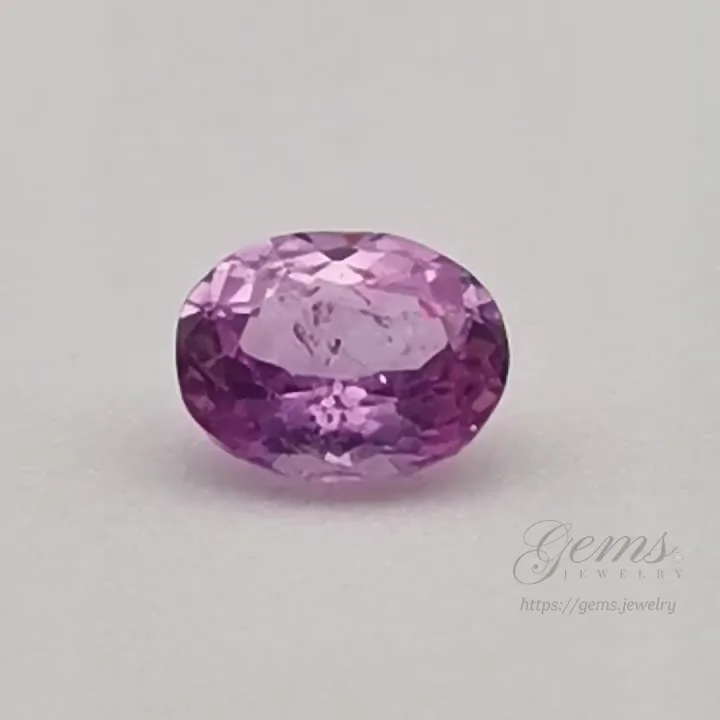
Blue Sapphire photos for close comparison
Use these blue sapphire visuals as person evidence, not decoration. Compare color, cut, visible inclusions, polish, setting context, and disclosure before you judge value.
Share This Blue sapphire Gem Card
Editors and writers can use this compact card when they need a quick, sourced gem reference. It includes the practical facts that keep a stone from becoming just a pretty name.
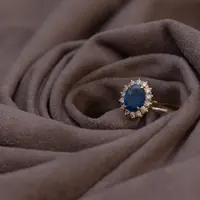
Please keep the attribution link with the card so readers can check the full guide.
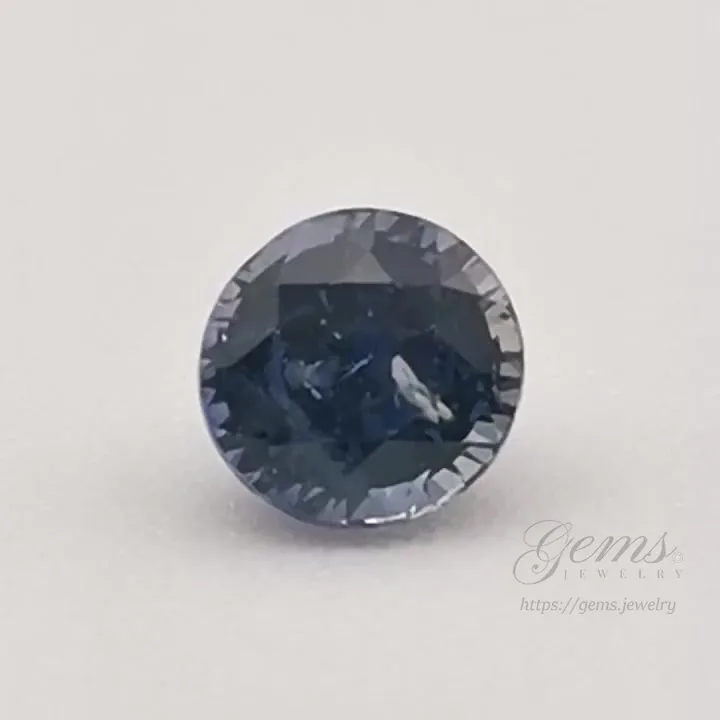
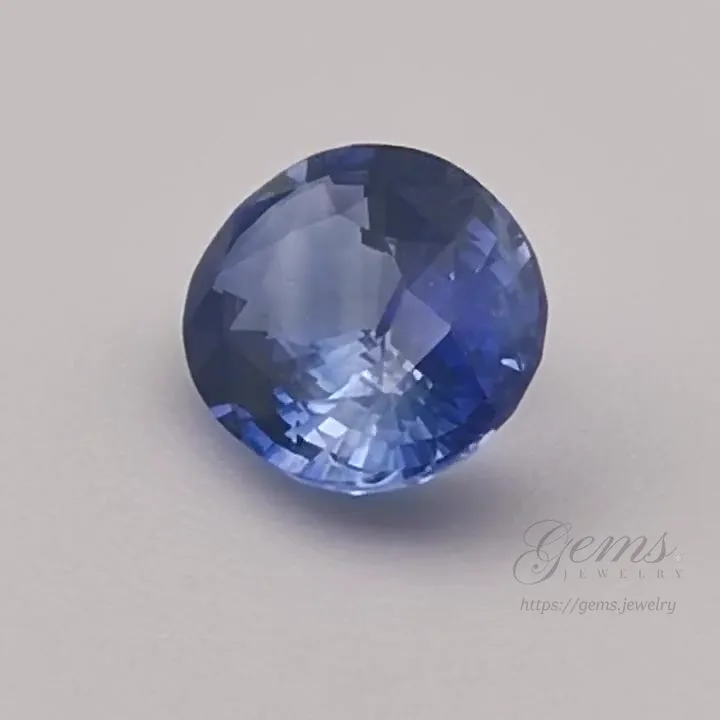
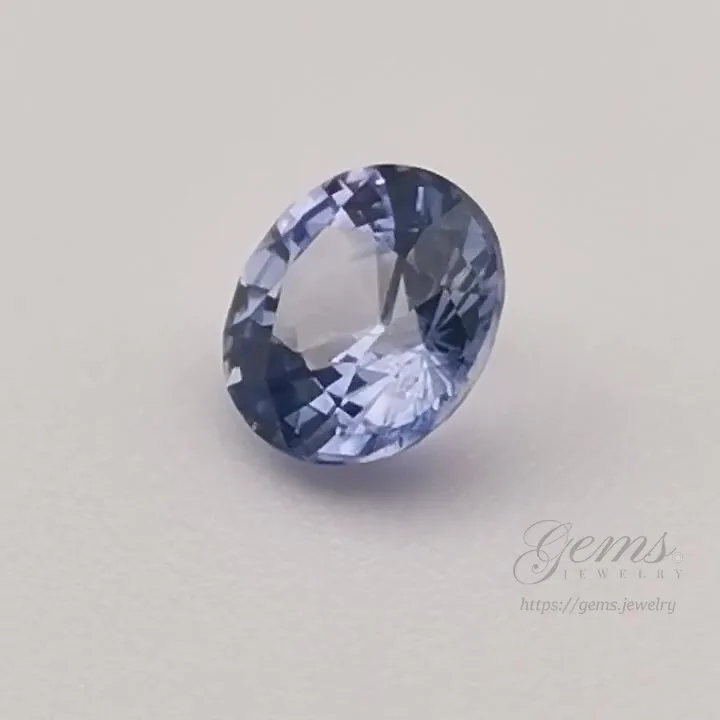
Blue sapphire is the classic sapphire: elegant, durable, and deeply associated with fine jewelry. But not every blue sapphire offers the same beauty, value, or buying confidence.
The best blue sapphire for you is not automatically the darkest, largest, or most expensive stone. A good blue sapphire should show attractive color, enough brightness, pleasing cut, appropriate clarity, and clear disclosure.
What blue should look like
Blue sapphire can range from light blue to deep royal blue. Many people want strong saturation, but the stone should not become so dark that it loses life in normal indoor light.
A lively blue sapphire has color and brightness working together. If a stone looks attractive only under perfect lighting, ask for more photos or video before deciding.
Royal blue, cornflower blue, and everyday blue
Color names can be helpful, but they can also be used loosely. Royal blue usually suggests a rich, deep blue. Cornflower blue often suggests a softer vivid blue with brightness. Many beautiful sapphires sit between these descriptions and should be judged by their actual appearance, not by the label alone.
Compare color families in the Sapphire Color Guide.
Clarity and inclusions
Natural blue sapphires often have inclusions. Some are minor, some are visible, and some affect beauty or durability. What matters is how the stone looks face-up and whether the price reflects what you can see.
Video is useful because it shows how inclusions, brightness, and color behave when the stone moves.
Treatment disclosure
Heat treatment is common in blue sapphire. Unheated blue sapphire can carry a premium when the color, quality, and documentation support the claim. Diffusion or other significant treatments should be disclosed and valued differently.
For plain-language treatment notes, read Gemstone Treatment Disclosure.
Questions before you register interest
- Is the sapphire natural?
- Is heat treatment known or suspected?
- Does the stone stay bright in normal light?
- Are inclusions visible face-up?
- Is video available for this exact SKU?
Browse current stones in the Gemstone Collections, or read the broader Sapphire Buying Guide.
Start With The Material
Blue Sapphire In Plain Gem Terms
Blue sapphire is blue corundum, valued for color, durability, clarity, cut, treatment disclosure, and suitability for jewelry.
Short answer for gem lovers
Blue sapphire should be evaluated by exact identity, natural or treated status, visible appearance, durability, and suitability for the jewelry or collecting purpose. Do not rely on a gemstone name alone; clear disclosure and realistic photos matter more than broad trade language.
What Matters In The Material
- Blue sapphire listings should clearly state the material or variety being offered.
- Color, transparency, pattern, cut, and polish can affect appearance and value differently depending on the gem type.
- Treatment, dyeing, stabilization, filling, coating, or imitation material should be disclosed when relevant.
- Hardness and toughness affect whether a gemstone is suitable for everyday rings, occasional-wear jewelry, pendants, earrings, or collecting.
- Gems Jewelry may not currently list Blue sapphire for sale, so treat this as practical education before you compare available natural colored gemstones.
Practical Inspection Notes
- If a listing uses only a romantic trade name, ask for the exact gemstone identity.
- If the price depends on rarity, untreated status, origin, or a special variety name, ask what evidence supports that claim.
- If the gemstone will be used in a ring, check durability and setting protection before choosing it.
- If treatment status is unknown, compare the price as an unknown-treatment stone rather than assuming the most valuable condition.
| Buying factor | Why it matters | What to check |
|---|---|---|
| Identity | Names can be broad, old, or used differently in jewelry trade. | Confirm the gemstone, variety, or gem material. |
| Appearance | Color, pattern, transparency, and cut decide whether the stone looks good in real use. | Review clear photos and video where available. |
| Treatment | Treatment can affect value, care, and person expectations. | Look for plain disclosure such as heated, dyed, filled, stabilized, coated, or unknown. |
| Durability | Some gems are suitable for daily wear; others need protective settings or occasional wear. | Match the gemstone to the intended jewelry type. |
| Value | Price depends on quality, demand, size, documentation, and disclosure. | Compare similar stones instead of judging by name alone. |
What to check before buying Blue sapphire
- Confirm the exact gemstone identity and variety name.
- Check whether the stone is natural, treated, synthetic, imitation, assembled, or unknown.
- Compare color and face-up appearance in normal lighting where possible.
- Look for visible inclusions, cracks, surface pits, coating, dye concentration, or unstable areas.
- Decide whether the gemstone is durable enough for the intended setting and wear frequency.
- Ask whether a lab report is useful for valuable, rare, or treatment-sensitive stones.