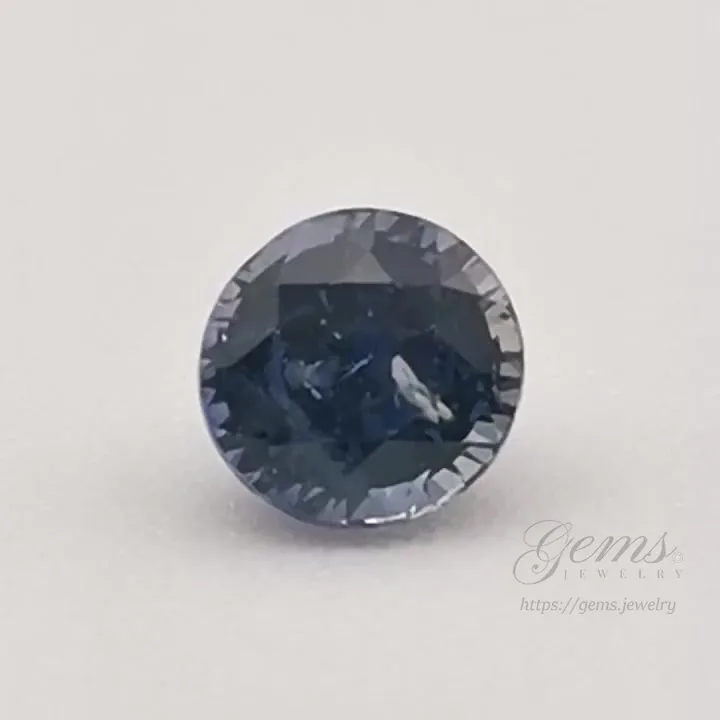
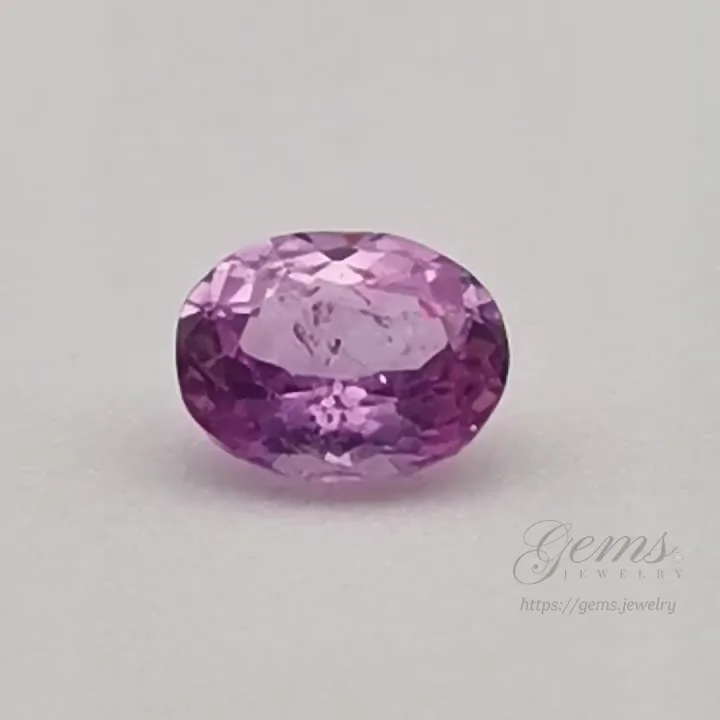
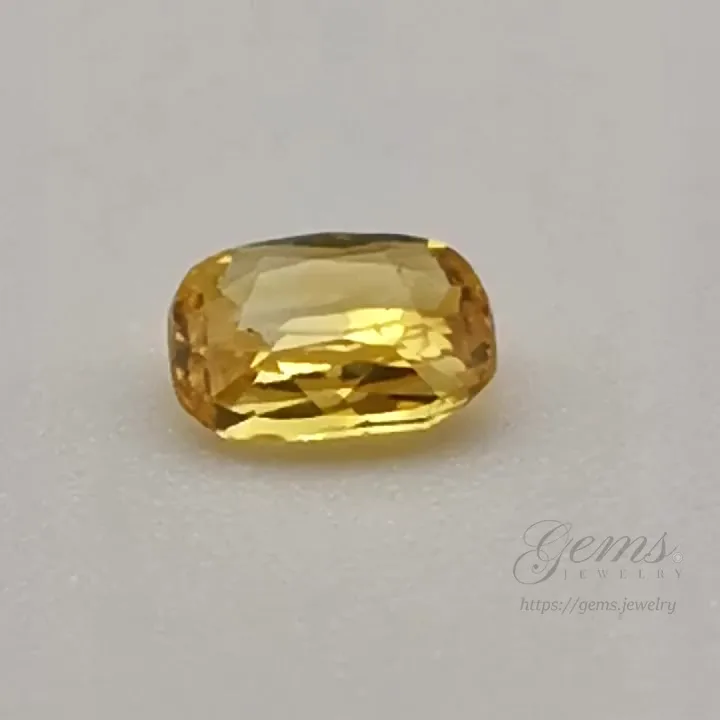
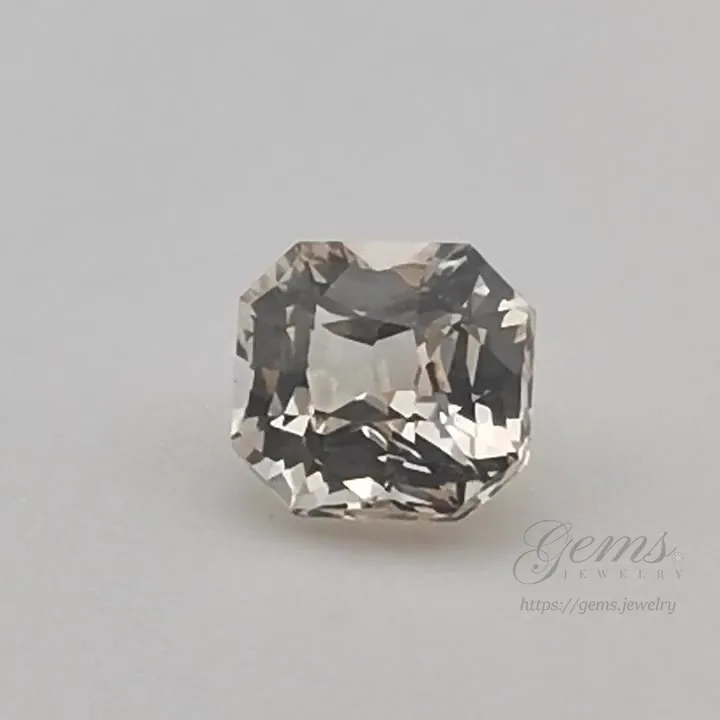
Blue, pink, yellow, green, teal, purple, and color-change sapphire all belong to the same remarkable gemstone family.
Sapphire Color In Real Product Photos
Sapphire color names are useful, but the buying decision should come back to the face-up stone. Compare tone, saturation, brightness, and whether the cut keeps the color lively.
Gem color is usually described through hue, tone, and saturation. Hue is the color family. Tone is how light or dark the stone appears. Saturation is the strength of the color.
A good sapphire should show attractive color without becoming too dark, grey, or lifeless.
Blue sapphire
Blue sapphire is the classic choice. It can range from pale blue to deep royal blue. The most pleasing stones usually balance depth with brightness. A very dark blue sapphire may look impressive in a description but dull in ordinary light.
Royal blue is often used for rich, deep blue sapphire. It is a desirable description, but it should not replace your own judgment. Look at photos and video to confirm the stone has life and does not go too dark face-up.
Cornflower blue sapphire
Cornflower blue generally suggests a softer vivid blue with brightness. people often love this color family because it can feel open, elegant, and lively.
Pink sapphire
Pink sapphire can range from soft blush to vivid pink. It is a strong choice for you who want romance and color without choosing ruby. As with all sapphires, tone and saturation matter. A good pink sapphire should not look washed out unless a delicate pastel effect is exactly what you want.
Yellow sapphire
Yellow sapphire can feel bright, warm, and refined. Look for even color and good transparency. A lively yellow sapphire can be striking in jewelry, especially when the cut supports brightness.
Green and teal sapphire
Green and teal sapphires appeal to people who want something less traditional. Teal sapphire can show blue-green personality that shifts under different lighting. These stones often reward people who care about individuality more than standard labels.
Purple sapphire
Purple sapphire can feel unusual and elegant. The best examples have enough saturation to avoid looking grey or dull. As with pink sapphire, the line between delicate and washed-out depends on your personal taste.
Padparadscha-like sapphire
Padparadscha is a special pink-orange to orange-pink sapphire description. It should be used carefully because the term carries value and expectation. If a listing uses this word, ask what supports the description.
Shop by color with care
Color names are useful, but they are not proof. Always compare the exact stone through photos, video, treatment notes, and direct questions.
Sapphire is most famous as a blue gemstone, but sapphire can appear in many colors. In gemology, sapphire is corundum that is not red ruby. That means blue, pink, yellow, green, teal, purple, orange, colorless, and some black corundum can all be described as sapphire when the color and classification are appropriate.
What colors do sapphires come in?
Sapphires can come in blue, violetish blue, greenish blue, pink, purple, yellow, orange, green, teal, colorless, and rare pink-orange padparadscha-type colors. Blue is the classic commercial color, but fancy sapphires give people a wider palette for jewelry and collecting.
What is the most valuable sapphire color?
Fine blue sapphire is traditionally one of the strongest value categories, especially when the stone has vivid color, brightness, good clarity, larger size, desirable origin documentation, and limited treatment. Some padparadscha sapphires and fine fancy-color sapphires can also be valuable. The best color is not only the name; it is the actual balance of hue, tone, saturation, brightness, and disclosure.
What is padparadscha sapphire?
Padparadscha sapphire is a rare and debated pink-orange to orange-pink sapphire color category. The name is associated with lotus-blossom-like color, but exact boundaries vary by laboratory and market opinion. If a sapphire is described as padparadscha, ask whether that name is supported by a lab report or used as a visual trade description.
If the stone is simply a pleasant peach, salmon, pink-orange, or orange-pink sapphire, it may still be beautiful. The important point is that the price should match the strength of the claim.
Is sapphire a color or a gemstone?
Sapphire is a gemstone name. It is also used as a color word in everyday language, usually meaning deep blue. In gemstone buying, be more precise: ask whether the stone is natural sapphire, what color family it belongs to, whether it has been treated, and how it looks in normal lighting.
Sapphire Color Questions Answered In One Place
Sapphire is best known for blue, but natural corundum has a much wider wardrobe.
Sapphire is best known for blue, but natural corundum can appear in many colors. Blue, pink, yellow, green, teal, purple, violet, and padparadscha-like colors are all part of the sapphire conversation. The practical buying question is not only the color name; it is whether the face-up color is attractive, stable across lighting, and priced honestly for its quality and disclosure.
Blue sapphire
Often the commercial anchor. Compare tone, saturation, zoning, extinction, and whether the stone stays lively face-up.
Pink sapphire
Can range from delicate pastel to vivid pink. Check whether color looks natural in normal light rather than only under strong lighting.
Yellow sapphire
Judge evenness, brightness, and whether treatment information is clear.
Green or teal sapphire
Often loved for individuality. Compare blue-green balance, darkness, and whether the cut keeps the stone lively.
Padparadscha-like color
Use the term carefully. A salmon, pink-orange, or orangey-pink sapphire should be judged by its actual appearance and disclosure, not the label alone.
Sapphire is best known for blue, but natural corundum has a much wider wardrobe. Blue, pink, yellow, green, teal, purple, violet, and padparadscha-like colors all belong in the sapphire conversation when the material is properly identified.
The useful habit is to judge the face-up color before falling in love with the label. A sapphire should be attractive in normal light, not only under a heroic lamp. Tone, saturation, zoning, extinction, and treatment disclosure matter more than a color name printed in confident capitals.