A practical guide to choosing natural faceted gemstones online, with less guesswork and more confidence.
Photos Should Support Disclosure, Not Replace It
Beautiful images help you notice color, cut, and inclusions. They should also lead to better questions about natural status, treatment, measurements, documentation, and suitability for the intended jewelry use.
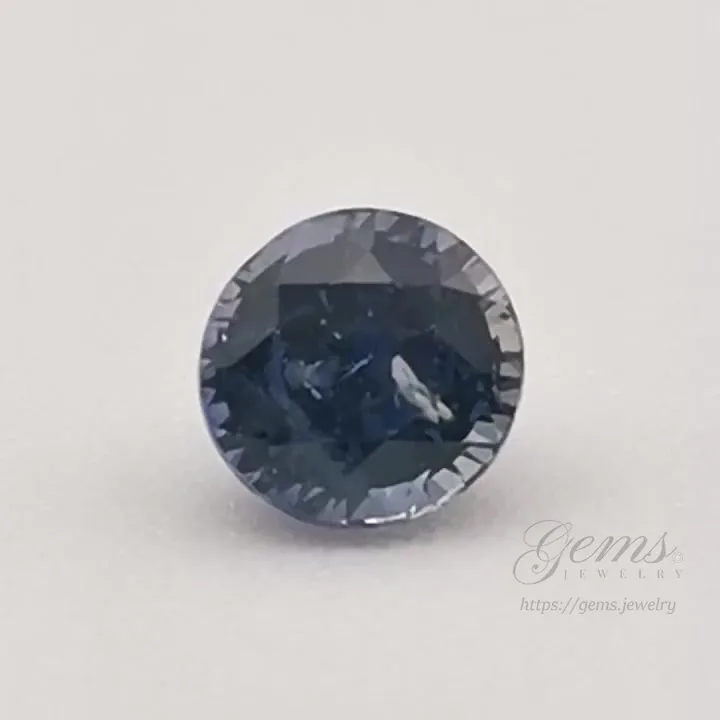
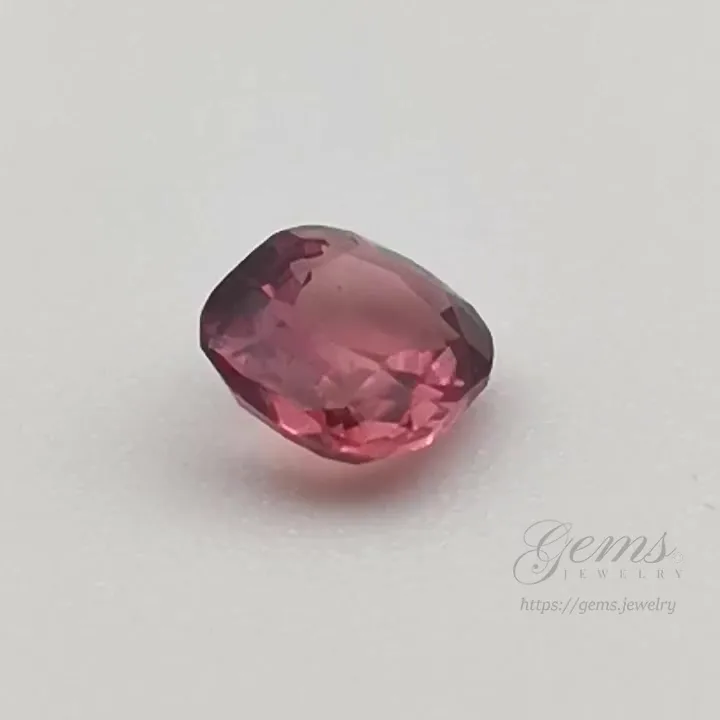
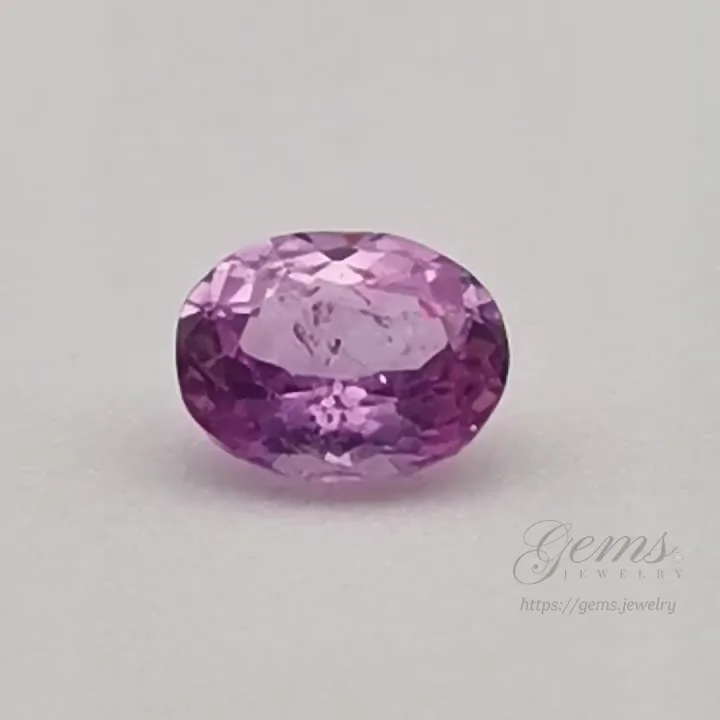
Gemstone product photos and a report example used as practical buying checkpoints.
Before you compare color, cut, or price, first confirm what is actually being offered. Is the stone natural? Is it synthetic? Is it lab-grown? Is it a simulant? Is it treated? A beautiful image is not enough if the listing avoids the basics.
At Gems Jewelry, our focus is natural faceted colored gemstones. That does not mean every natural stone is untreated or flawless. It means the stone began in nature, and the important details should be discussed plainly.
The 7-point gemstone check
Gem type: confirm the stone is clearly identified, such as sapphire, ruby, spinel, garnet, or another gem variety.
Natural status: check whether it is natural, synthetic, lab-grown, composite, imitation, or treated in a way that changes expectations.
Treatment: heat, diffusion, filling, oiling, dyeing, coating, and irradiation can all affect value and care.
Color: look at hue, tone, saturation, and whether the color stays attractive in normal light.
Clarity: natural inclusions are common. Decide whether they affect beauty, transparency, or durability.
Cut: a good cut should help the stone return light and show color attractively.
Proof: photos, videos, lab reports, and clear answers all help build confidence.
Color: beauty you can see, but still need to judge
Color is usually the first reason a gemstone attracts you. That is natural. Gemstones are emotional objects. A blue sapphire, pink sapphire, yellow sapphire, ruby, or teal sapphire can create an immediate reaction.
But color should be judged with care. A stone can be too dark, too grey, too shallow, or too uneven. A listing may use attractive color names, but the actual face-up appearance matters more than the label.
Many natural colored gemstones contain inclusions. Inclusions can be acceptable, and sometimes they are part of the stone’s identity. The important question is whether they are distracting, whether they affect durability, and whether the price reflects them.
Do not buy a colored gemstone as if it were a diamond clarity chart. Colored stones need to be judged face-up, in real viewing conditions, and in relation to their color and cut.
Treatment: the detail that can change value fastest
Gemstone treatments exist across the trade. Some are common and stable. Some are more sensitive. Some change how a stone should be valued, worn, cleaned, or described.
Heat treatment in sapphire and ruby is common when disclosed. Diffusion, glass filling, coating, dyeing, and heavy enhancement require more caution. If treatment information is unclear, ask before you register interest.
A still photo can be beautiful, but video shows the stone in motion. It can reveal brightness, windowing, color shift, and inclusions in a more realistic way. Video is especially helpful when choosing faceted colored gemstones online.
Use video together with photos and written details. If something matters to you, ask directly.
Why Register Interest is useful
Many natural gemstones are one-off pieces. A Register Interest process gives you and the seller time to confirm availability, answer questions, and avoid rushed decisions. That matters when the stone is not a mass-produced item.
Best Place To Buy Gemstones Online: The Short Checklist
If you are wondering where to buy gemstones online, the safer answer is not a random list of stores. Look for the seller who gives you enough evidence to compare one natural colored gemstone without guessing.
A good online gemstone buying page should make the stone identity, treatment disclosure, measurements, color appearance, photos or video, and next step easy to inspect. If those details are missing, the risk is not only price. The risk is buying a stone whose real appearance, durability, or disclosure status does not match your expectation.
Start with disclosure: the seller should distinguish natural, treated, lab-grown, assembled, and imitation materials clearly.
Use photos and video carefully: look for face-up color, windowing, extinction, visible inclusions, and scale.
Compare measurements: carat weight alone does not tell you how large the stone will look in jewelry.
Ask before checkout: use Register Interest when you need clarification about one specific stone.
Prefer specialists: a focused colored gemstone page is usually easier to evaluate than a broad marketplace listing with thin disclosure.