
Sapphire: a buyer’s guide to natural blue and fancy sapphires
Sapphire is one of the most important colored gemstones in the world: durable, beautiful, and available in far more colors than many buyers expect.
Most people hear sapphire and imagine deep blue. Blue sapphire is the classic, but sapphire also appears in pink, yellow, purple, green, teal, colorless, and color-change varieties. These non-blue sapphires are often called fancy sapphires, and they can be excellent choices for collectors, engagement rings, meaningful gifts, and custom jewelry.
What makes sapphire valuable?
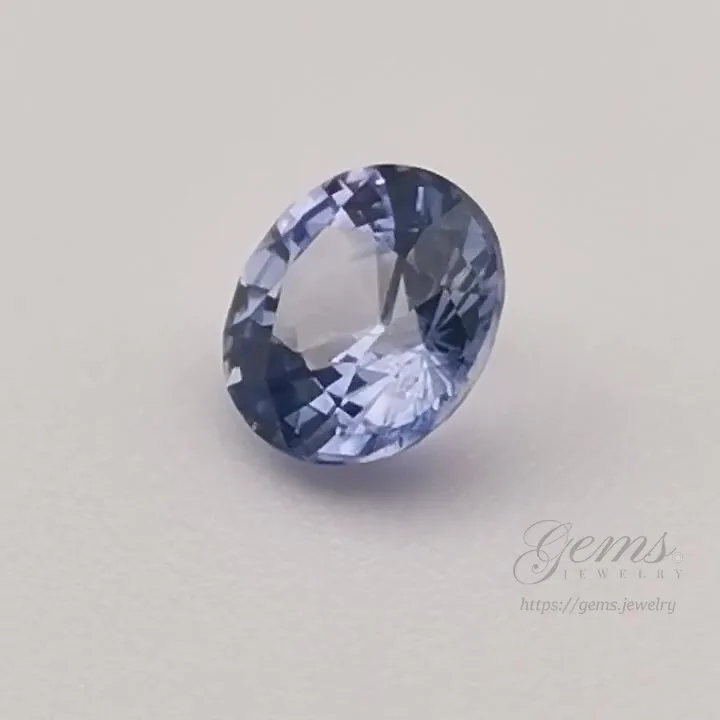
The value of a sapphire is shaped by color, clarity, cut, carat weight, treatment, origin claims, and the overall life of the stone. Carat weight is easy to compare, but it should never be the only reason to choose one sapphire over another.
A smaller sapphire with lively color and a better cut can be more desirable than a larger stone that looks dark, sleepy, or poorly proportioned.
Sapphire quick facts
- Mineral family: corundum, the same mineral family as ruby.
- Hardness: 9 on the Mohs scale, making sapphire suitable for many jewelry designs.
- Colors: blue, pink, yellow, purple, green, teal, colorless, and more.
- Treatment: heat treatment is common; diffusion, filling, coating, and other treatments require clearer caution.
Color: the first decision most buyers make
Color is usually the first reason someone falls in love with a sapphire. The best color depends on the buyer, but the most attractive stones tend to have pleasing hue, balanced tone, and strong enough saturation to feel alive without becoming too dark.
Blue sapphire can range from pale blue to deep royal blue. Pink sapphire can feel delicate or vivid. Yellow sapphire can be bright and sunny. Green and teal sapphires often feel modern and individual. Purple sapphire can have a romantic, unusual personality.
For a deeper color comparison, read the Sapphire Color Guide.
Cut and brilliance
A sapphire should not only have color; it should return light attractively. Cut affects how bright the stone looks, how even the color appears, and whether the center has a dull window.
Colored stones are often cut to save weight or deepen color, so buyers should look at the face-up appearance rather than assuming every cut is equal.
Clarity and natural inclusions
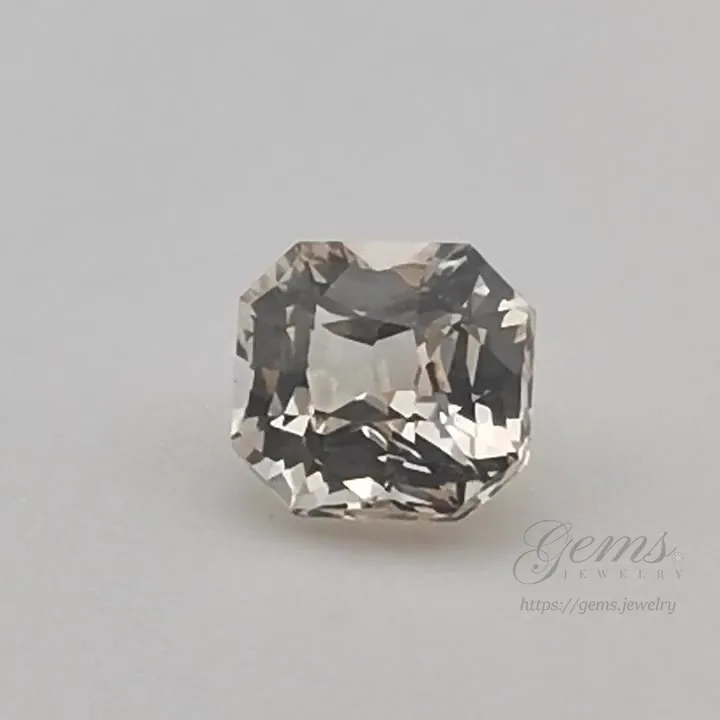
Natural sapphires often contain inclusions. That is not automatically a problem. The practical question is whether the inclusions are distracting to the naked eye, whether they affect durability, and whether the price fairly reflects the stone.
Product photos and video are especially useful because they show how the stone looks in real viewing conditions. A clarity label alone cannot tell the whole story.
Treatment disclosure
Heat treatment is common in sapphire and widely accepted when disclosed. Unheated sapphires can command a premium when quality and documentation support the claim. Treatments such as diffusion, coating, filling, or other significant enhancement should be evaluated with more caution.
Read more here: Gemstone Treatment Disclosure.
Related sapphire pages
If you are ready to compare current stones, visit the Gemstone Collections.