How to compare natural sapphires by color, cut, clarity, treatment, and real-world beauty before you register interest.
Visual Sapphire Buying Checks
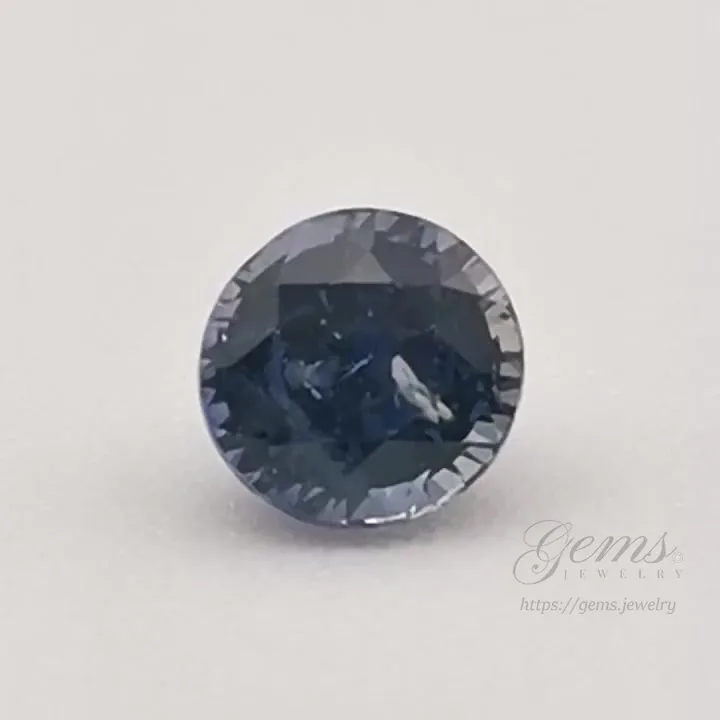
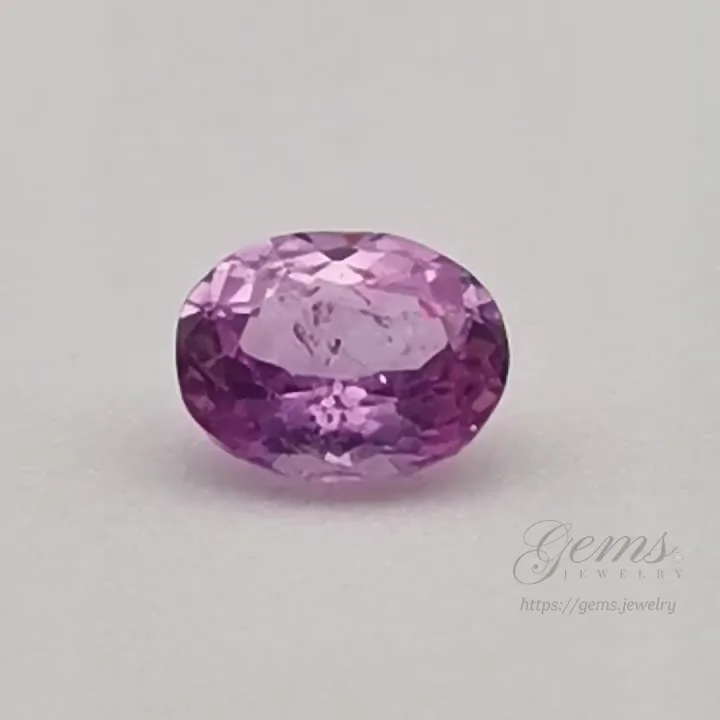
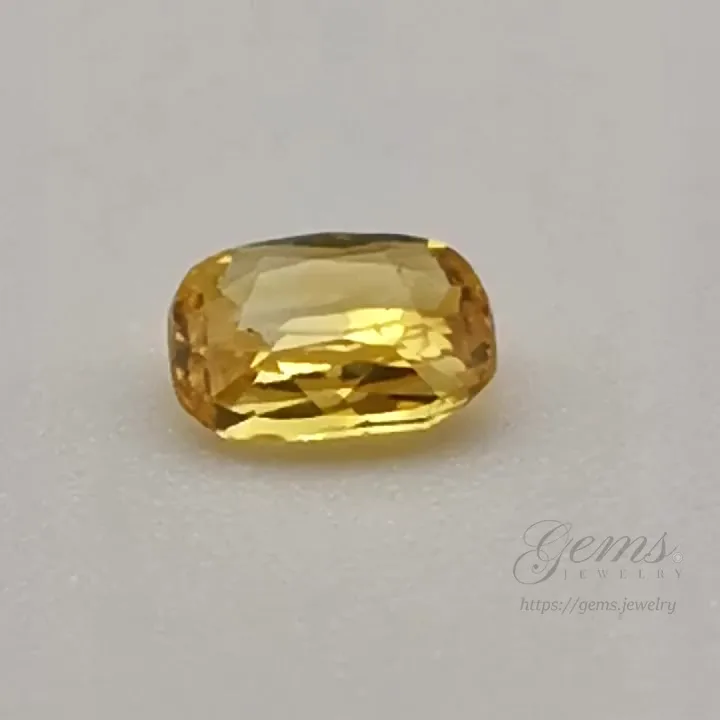
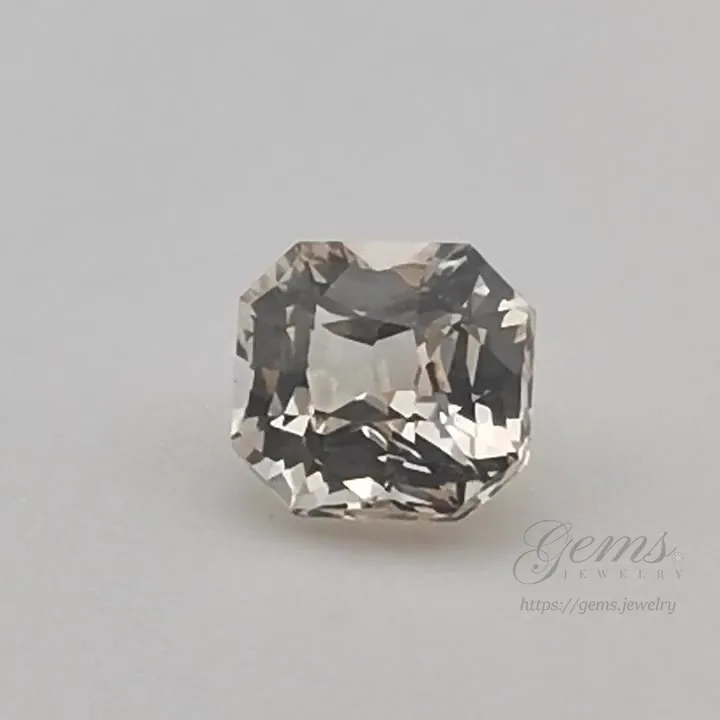
Before choosing a sapphire, look closely at how color and cut behave in the actual images. A sapphire can be natural and still vary widely in brightness, inclusion visibility, and face-up personality.
Sapphire examples for comparing color, cut, and visible character before using Register Interest.
Do not buy sapphire by carat weight alone. The better sapphire is usually the stone with stronger visible color, better life, clearer disclosure, and a price that makes sense for what you can see.
A lighter, brighter sapphire can be more beautiful than a larger stone that looks dark or flat.
1. Color
Color is the heart of sapphire buying. Blue is the classic, but fancy sapphires can be just as compelling. Look at hue, tone, and saturation. The stone should look attractive in normal viewing conditions, not only under perfect lighting.
Cut controls how a sapphire returns light. A good cut can make a stone feel lively and balanced. A weak cut can create a window, dark areas, or an uneven face-up appearance.
Colored stones are not always cut by the same priorities as diamonds. Sometimes cutters preserve weight or deepen color. That makes face-up appearance especially important.
3. Clarity
Natural sapphire often contains inclusions. Some inclusions are minor; others affect beauty or durability. Look for whether inclusions are visible to the naked eye and whether they distract from the overall stone.
A clarity grade or label is less useful than good photos, video, and honest explanation.
4. Treatment
Heat treatment is common in sapphire. That does not automatically make a sapphire bad, but it should be disclosed. Unheated sapphires can be more valuable when the quality and evidence support the claim.
Diffusion, coating, filling, and other significant treatments require more caution. Read more here: Gemstone Treatment Disclosure.
5. Shape and purpose
Round, oval, cushion, radiant, and square sapphires can all be beautiful, but the best shape depends on the final use. A ring, pendant, pair of earrings, or collector stone may each call for different proportions.
Questions to ask before registering interest
Is this sapphire natural?
Is treatment known or disclosed?
Does the color look accurate in photos and video?
Are inclusions visible face-up?
Would a lab report be useful for this stone and price?
How Do I Buy a Sapphire Online Without Being Misled?
If you are asking how do I buy a sapphire online without being misled?, compare the stone like someone, not like a browser. Photos, treatment disclosure, measurements, return terms, and seller answers all matter.
Before you register interest in a sapphire, check whether the listing helps you understand natural status, known treatment, color, cut, visible inclusions, carat weight, measurements, photos, video, and the intended jewelry use. If one of those pieces is missing, ask before you commit.
Ask whether the sapphire is natural, synthetic, or lab-created.
Look for treatment disclosure and understand that heat is common while other treatments may need more caution.
Compare face-up color in realistic lighting; do not rely on a color name alone.
Watch video where available for windowing, extinction, brightness, and inclusions.
Use the Sapphire Color Guide before comparing blue, pink, yellow, green, teal, or padparadscha-like stones.
Use the guide for judgment, the collection for choice
If your question is how to judge a sapphire, stay with this guide first. It explains color, cut, treatment disclosure, windowing, visible inclusions, and the small details that decide whether a sapphire is worth a closer look.
When you are ready to compare actual stones, move to the current sapphire collection. The collection is the showroom; this guide is the loupe you carry into it.
A good sapphire comparison starts quietly: what is the stone, what is disclosed, and what can you actually see? A listing should help you understand natural status, known treatment, color, cut, visible inclusions, carat weight, measurements, photos, video, and the intended jewelry use.
If one of those pieces is missing, ask before you commit. In Sri Lankan trading rooms, the prettiest stone on the parcel paper still has to survive ordinary questions. Online, those questions matter even more because your first loupe is usually a photograph.