

The safest gemstone shopper is not the most suspicious person. It is the most specific person. When you know what information should be present, weak listings become easier to recognize.
When Should You Register Interest?
Visual Checks That Help You Avoid Gemstone Scams
Scam prevention starts with evidence: clear photos, plain disclosure, realistic pricing, and documentation when a claim is valuable enough to need support.
Gemstone scams do not always look dramatic. Some are obvious: a “natural untreated ruby” at a price that makes no sense. Others are quieter: vague treatment language, borrowed photographs, missing measurements, inflated origin claims, or a seller who cannot explain what the stone actually is.
This guide explains how to reduce risk when buying gemstones online, especially natural colored gemstones such as sapphire, ruby, garnet, spinel, tourmaline, emerald, aquamarine, and other faceted stones.
Start by separating beauty from proof
A beautiful photograph is not proof of identity. A strong color is not proof of natural origin. A confident description is not proof of treatment status. Online, you must separate what can be seen from what must be disclosed or documented.
A listing can show beauty, but it should also provide facts: gem type, natural or synthetic status where relevant, treatment, carat weight, measurements, shape, photos, video when available, and buying terms.
If the listing gives you desire but not information, slow down.
Red flag: a price that ignores the market
Everyone likes value. The danger begins when a price is presented as a miracle. A fine natural ruby, strong blue sapphire, rare garnet variety, or high-quality spinel cannot usually be priced like a common decorative stone without a reason.
A low price may reflect small size, visible inclusions, heavy treatment, weak color, poor cutting, synthetic origin, imitation material, or an estate situation. Any of those may be acceptable if clearly disclosed. The problem is when the price is low and the claim is high.
- Compare similar stones across several reputable sources.
- Look at color, size, treatment, and documentation, not only carat weight.
- Be cautious with phrases like “investment grade” or “museum quality” when no evidence is provided.
- Ask what explains the price if the offer seems far below comparable stones.
The natural gemstone buying guide is a useful starting point for comparing price with quality factors.
Red flag: missing treatment disclosure
Treatment is one of the most common areas where people get misled. A treated natural gemstone is not automatically bad, but treatment should be disclosed because it can affect value, durability, care, and expectations.
Common treatments include heating, oiling, filling, dyeing, diffusion, coating, irradiation, and stabilization. Some are widely accepted in certain gemstones. Others require more caution. If the treatment status is unknown, the listing should say that rather than implying certainty.
Be especially careful with ruby and sapphire listings that claim untreated status without a credible report. Treatment status can strongly affect price in these stones.
Before buying, review gemstone treatment disclosure. It gives you the language to ask better questions.
Red flag: borrowed, generic, or over-edited images
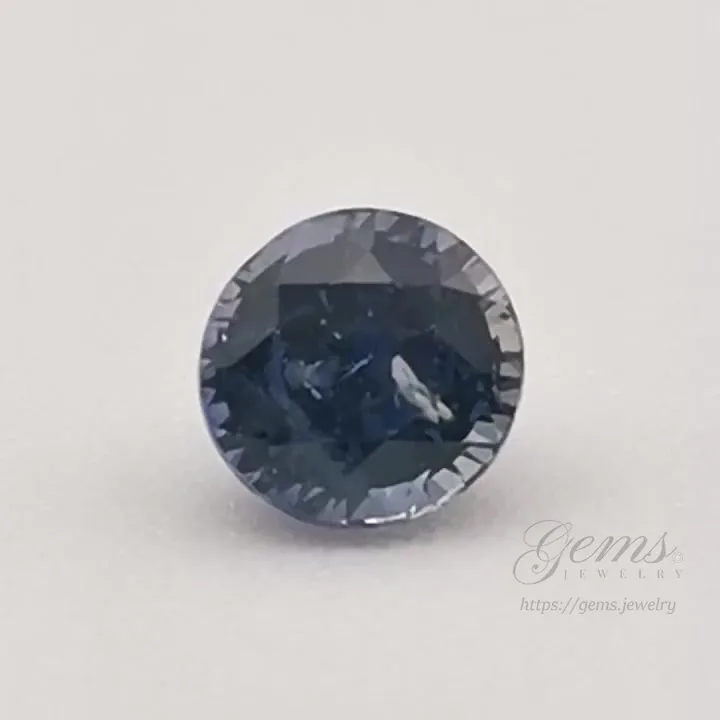
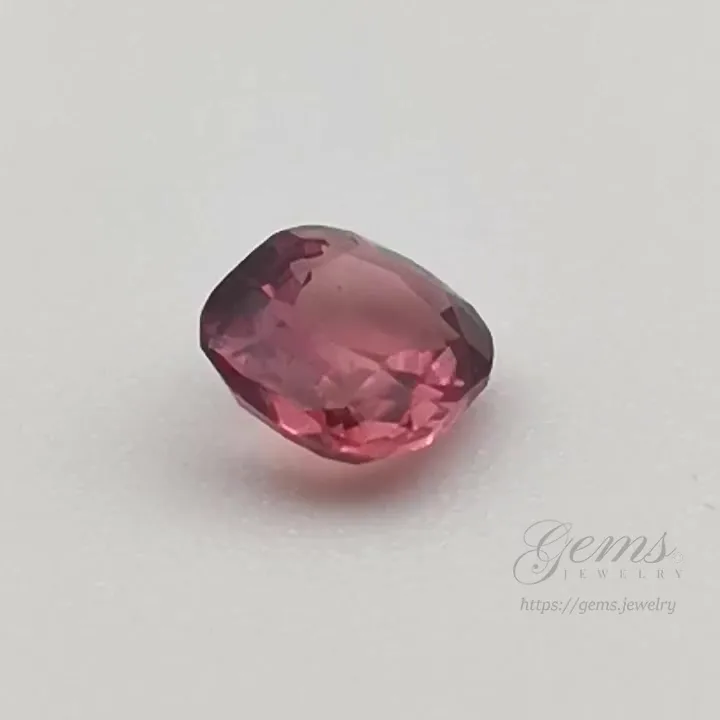
Gemstones are individual. If a listing uses a generic image, a manufacturer image, or a photo that appears across multiple listings, you may not be seeing the exact stone you will receive.
Over-edited photos can also create false expectations. Highly saturated images, extreme lighting, and dark backgrounds can make a stone look more vivid than it appears in normal conditions.
- Look for multiple images of the same stone.
- Prefer photos that show the full face-up view.
- Check whether inclusions or color zoning are visible.
- Use video when available to judge movement, brightness, and dark areas.
- Ask whether the photo represents the stone in normal viewing conditions.
A seller who is proud of the stone should not need to hide the stone.
Red flag: vague origin claims
Origin can affect gemstone value, especially in some sapphires, rubies, and emeralds. But origin is not something someone should accept casually because it sounds prestigious. Claims such as Kashmir sapphire, Burmese ruby, Colombian emerald, or Ceylon sapphire should be handled carefully.
Some origin descriptions are trade descriptions based on appearance or seller history. Others are supported by lab reports. Those are not the same level of proof. If the price depends heavily on origin, documentation becomes much more important.
At Gems Jewelry, the safer standard is clear disclosure over dramatic origin storytelling. Beauty matters, but unsupported origin language should not carry the whole sale.
Red flag: pressure tactics
A one-off gemstone may genuinely be unavailable later. That is normal. But a seller should still give you enough time to understand the stone. Pressure becomes a problem when it is used to stop questions.
Be careful with sellers who urge immediate payment while avoiding treatment questions, refusing basic measurements, or dismissing requests for clearer images. Urgency should not replace disclosure.
The Register Interest process on Gems Jewelry is designed to create a calmer first step. It gives you a way to ask about a specific stone before final purchase arrangements.
Check the seller, not only the stone
Even a good stone can become a bad experience if the seller is unclear, unreachable, or careless. Before buying, review the practical signals around the store.
- Is there a clear way to contact the seller?
- Are return or approval terms stated?
- Is shipping and insurance explained?
- Do product pages use consistent detail?
- Does the seller answer technical questions directly?
- Are reviews and reputation signals consistent with the store’s claims?
Community discussions, gem forums, and customer reviews can be useful, especially when they reveal repeated patterns. Use them as one part of your decision, not as a replacement for reading the listing carefully.
Ask these questions before you buy
- Is this stone natural, synthetic, imitation, or unknown?
- What treatment is known, suspected, or unknown?
- Are the photos and video of the exact stone?
- What are the carat weight and millimeter measurements?
- Are inclusions visible to the eye?
- Is a lab report available or appropriate for this stone?
- What happens if the stone looks different in person?
A reliable seller should welcome informed questions. A vague or defensive answer is useful information by itself.
The safest buying mindset
You do not need to buy gemstones with fear. You need to buy with structure. Decide what facts matter, check whether the listing provides them, and ask for clarification before you commit.
The best protection is not cynicism. It is clear disclosure, patient comparison, and a willingness to walk away when the story is stronger than the evidence.