

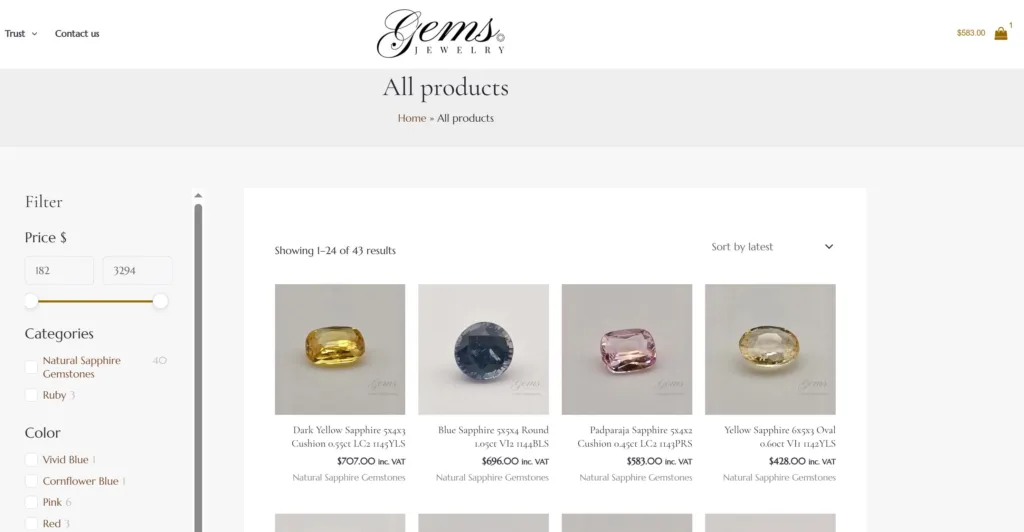
The best online gemstone store is not simply the one with the biggest inventory or the most dramatic photographs. It is the one that helps you understand exactly what you are buying before you commit.
What A Good Online Gemstone Store Shows You
A good online gemstone store makes you calmer, not more pressured. Look for accurate images, disclosure, practical details, and a clear next step.

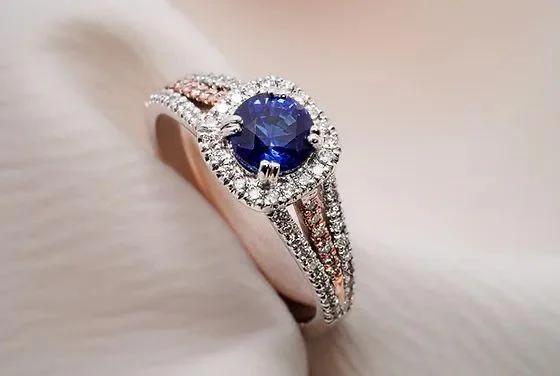
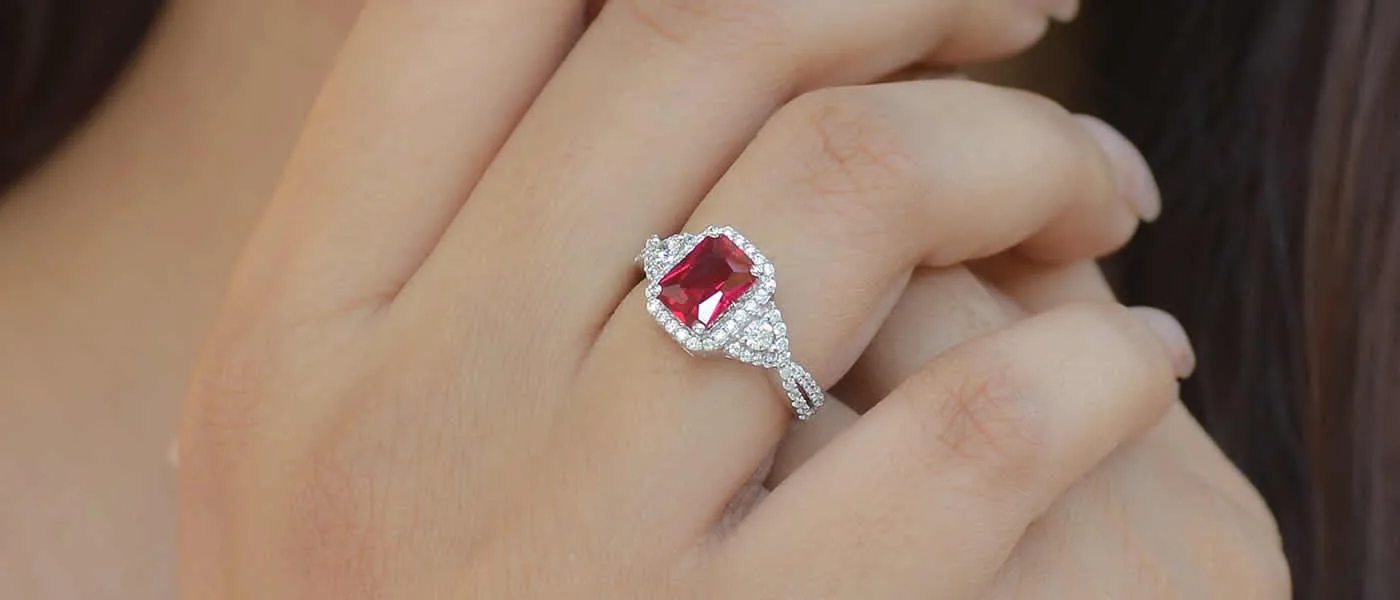
For a careful collector, a good gemstone store should offer clear identity, treatment disclosure, accurate images, practical education, fair buying terms, and responsive communication. This matters even more with natural colored gemstones, where two stones with the same name and carat weight can differ greatly in value and appearance.
This guide turns the question into someone checklist. Instead of chasing a list of names, use these standards to judge any online gemstone store, including Gems Jewelry.
1. The store should specialize enough to explain what it sells
A serious gemstone store should not rely only on broad jewelry language. It should understand the stones it sells. If a shop offers natural sapphires, rubies, garnets, tourmalines, opals, aquamarines, or other colored stones, the descriptions should show familiarity with the details people actually need.
Look for specific language: natural status, variety, color, cut, clarity, treatment, measurements, and practical use. A listing that says “beautiful gemstone, excellent quality” may sound pleasant, but it does not help you evaluate the purchase.
A specialist store also knows what it does not know. If treatment has not been independently tested, the seller should not pretend certainty. Clear uncertainty is better than confident vagueness.
2. Natural, synthetic, imitation, and treated stones should be clearly separated
The best stores make disclosure easy to find. someone should not have to decode whether a stone is natural, lab-grown, imitation, glass-filled, dyed, assembled, or treated.
This is not about judging one category as good and another as bad. Synthetic and imitation stones can be legitimate when sold honestly. The problem is confusion. A natural gemstone you should not be led to believe a lab-grown or imitation material is natural.
Before buying, check whether the store has a treatment policy or education page. If you are unsure what treatment means, read the gemstone treatment disclosure guide before comparing prices.
3. Product pages should show the stone, not hide it
Gemstone photography can be beautiful and still unhelpful. The strongest online stores show enough visual information for you to judge face-up appearance. That usually means clear images, sensible lighting, and video where possible.
- Can you see the stone face-up?
- Are inclusions, color zoning, or dark areas visible if present?
- Does the color look plausible, or does it feel over-edited?
- Is there a video for stones where brilliance and color shift matter?
- Are measurements listed in millimeters as well as carat weight?
A one-off natural gemstone should not be represented by a generic stock image. You are buying that stone, not the idea of that stone.
4. Customization claims should be realistic
Some online stores offer cutting, recutting, jewelry design, resizing, or custom sourcing. These services can be useful, but they should be explained carefully. Cutting a gemstone changes weight, measurements, and sometimes value. Custom jewelry may affect returns. Sourcing requests require clear expectations on budget, timing, and treatment preferences.
If customization is offered, the store should explain what is possible and what is not. Good communication matters more than grand promises.
5. Reports and documentation should be presented honestly
Lab reports are helpful for important stones, but not every stone needs one. A trustworthy store does not use the word certified loosely. It should say which lab issued the report, what the report identifies, and whether treatment or origin is addressed.
For lower-priced stones, a report may not be practical. In that case, the store should price and describe the stone accordingly. For higher-value sapphires, rubies, rare varieties, or unusual claims, documentation can become more important.
Read authenticity and sourcing if you want a clearer framework for when reports matter and when seller disclosure may be enough.
6. The buying process should reduce pressure
Gemstone buying is not the same as ordering a mass-produced item. Natural stones are individual. you may need to ask about color, inclusions, setting suitability, treatment, video, or documentation before making a final decision.
A good store makes that conversation easy. It does not rush you with artificial pressure or hide important terms until the last step. Shipping, returns, payment, and availability should be clear before checkout.
At Gems Jewelry, we use a Register Interest process for one-off gemstones. The purpose is to give people a calmer way to begin the conversation before a final purchase is arranged.
7. Reviews are useful, but they are not the whole test
Reviews can reveal helpful patterns: delivery reliability, communication quality, product accuracy, and after-sale support. But reviews should not replace product due diligence. A popular store can still have vague listings. A smaller specialist can provide excellent disclosure.
Use reviews as one signal. Then return to the stone itself: identity, treatment, photos, measurements, documentation, and terms.
A practical checklist for choosing an online gemstone store
- Does the store clearly identify each gemstone?
- Does it separate natural, synthetic, imitation, and treated materials?
- Are treatment disclosures easy to find?
- Are product photos and videos useful rather than decorative?
- Are carat weight and millimeter measurements included?
- Are lab reports explained clearly when offered?
- Are returns, shipping, and communication terms clear?
- Does the store help you learn, or only push you to buy?
The best online gemstone store is the one that makes you more informed, not more rushed. When the information is clear, the right stone becomes easier to recognize.