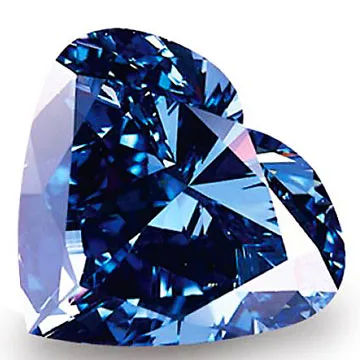
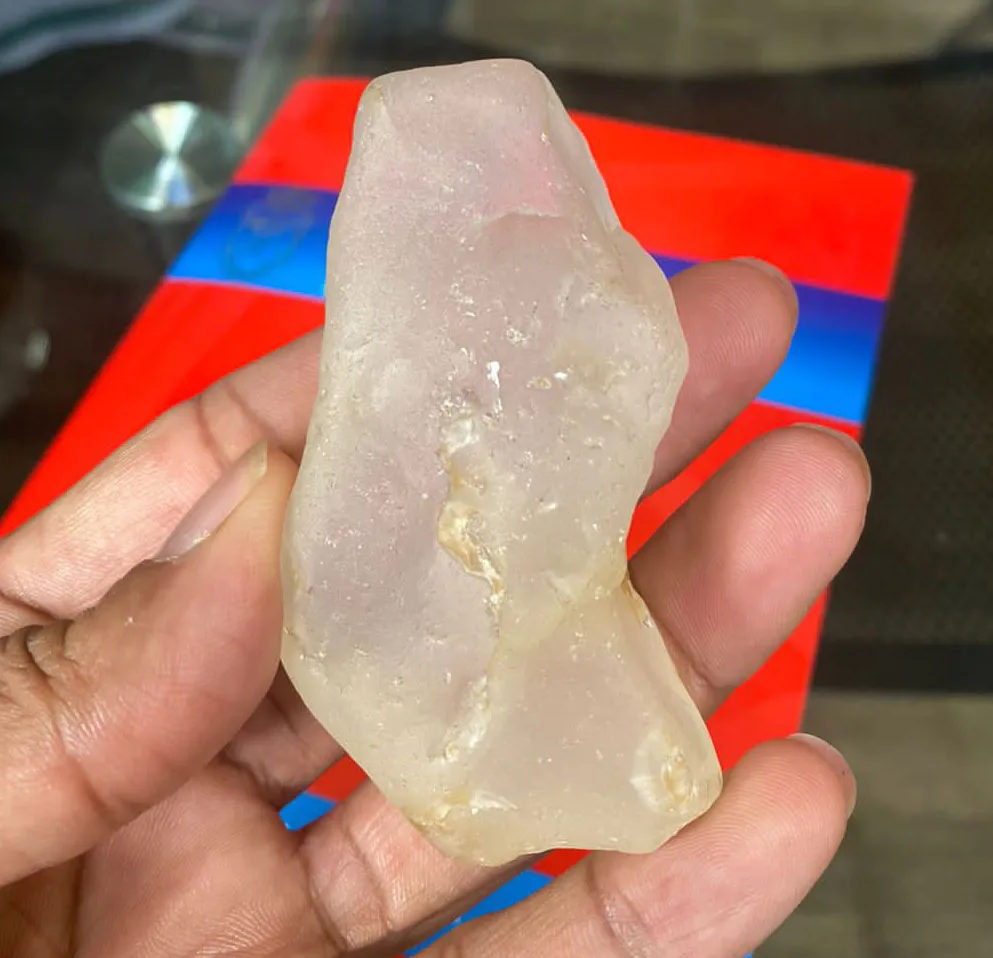
Rare gemstones are not always expensive, and expensive gemstones are not always rare. Price depends on rarity, but also on demand, beauty, quality, size, durability, treatment, documentation, and how many people actually want that stone.
What Documentation Should Support A Higher Price?
Rare Does Not Automatically Mean Valuable
Rarity is only one part of gemstone value. Color, condition, cutting, demand, treatment status, size, and documentation can matter just as much.
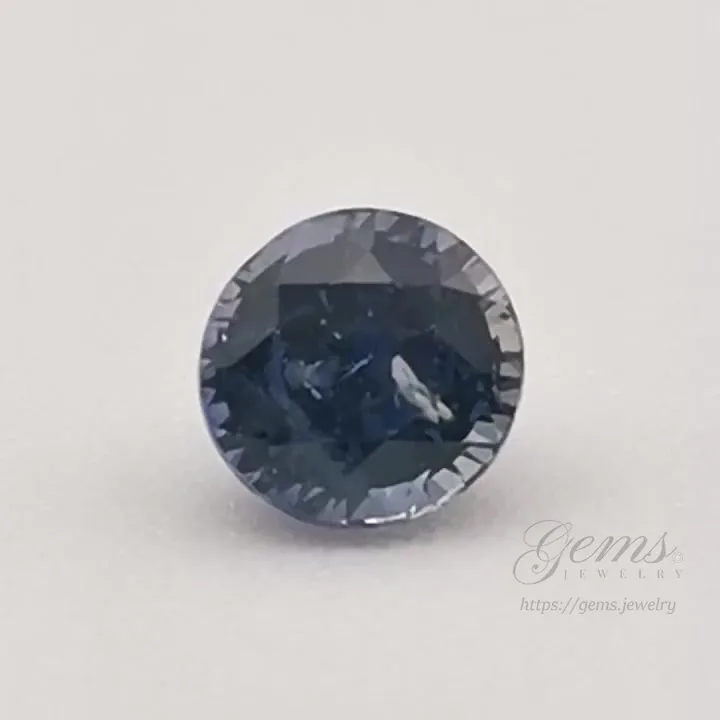
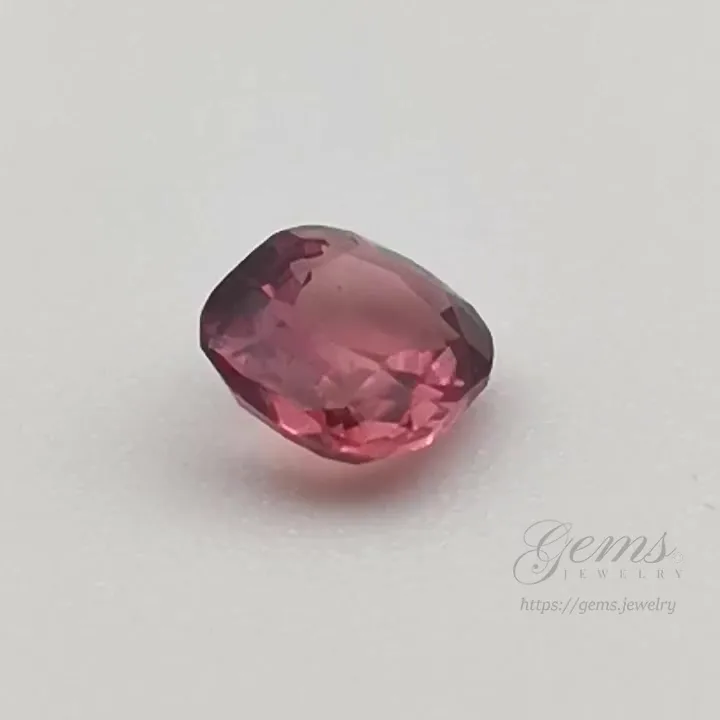
This distinction matters because gemstone marketing often uses rarity as a shortcut for value. A stone may be geologically uncommon and still be modestly priced if it lacks demand, has weak color, is difficult to wear, or is not widely recognized by people. Another stone may be less rare in nature but expensive because the market strongly desires fine examples.
For online people, the useful question is not “is it rare?” The useful question is “why is this gemstone valued at this price?”
Rarity is only one part of value
Rarity means limited availability. But availability can be limited in different ways. A gemstone can be rare because it forms in few locations, because fine color is scarce, because clean crystals are uncommon, because large stones are difficult to find, or because mining supply is limited.
The market does not value all types of rarity equally. A rare gem with dull color, poor durability, or limited jewelry appeal may not command the same price as a better-known stone with strong demand.
Fine ruby is a useful example. Ruby as a category is known, desired, and historically important. Fine natural ruby with strong color, good transparency, and limited treatment can be very valuable. The price is not only about rarity. It is rarity combined with demand, beauty, tradition, and wearability.
Demand can matter as much as supply
A gemstone becomes expensive when limited supply meets strong demand. If collectors, jewelers, designers, and consumers all want the same type of stone, prices can rise quickly for the best examples.
Sapphire is a good example. Natural sapphire exists in many colors, but fine blue sapphire has broad international recognition. Pink, yellow, teal, green, and purple sapphires may appeal to people who want something more individual, and demand can vary by color trend and availability.
If you are comparing sapphires, use the sapphire buying guide and sapphire color guide to understand why some colors and qualities command stronger prices than others.
Quality can make a rare stone affordable or costly
Quality is where many people get misled. A gemstone can belong to a rare variety but still be commercial quality. Weak color, heavy inclusions, poor cutting, surface-reaching fractures, or unattractive tone can reduce value substantially.
The opposite is also true. A more available gemstone can become expensive when the example is unusually fine. A beautifully colored, well-cut garnet or spinel may be more desirable than a rare stone with poor appearance.
- Color: vivid, balanced, and attractive color usually carries value.
- Clarity: inclusions matter differently by gem type, but distracting or durability-affecting inclusions reduce desirability.
- Cut: good cutting improves face-up beauty, brightness, and wearability.
- Size: larger fine stones can become much more difficult to source.
- Treatment: untreated or lightly treated stones may be valued differently from heavily treated stones.
Rarity without quality is not enough. Quality without clear disclosure is not enough either.
Origin can influence value, but it needs support
For some gemstones, origin can affect price. Kashmir sapphire, Burmese ruby, Colombian emerald, and certain other origin descriptions can carry strong market interest. But origin should be handled carefully because it is often difficult to confirm without advanced testing and expert interpretation.
If a gemstone is priced partly because of origin, ask whether the origin is documented by a recognized lab report or simply described by trade tradition, supplier information, or appearance. Those are different levels of confidence.
Unsupported origin language should not be allowed to do all the selling. The stone still needs beauty, quality, treatment disclosure, and a price that makes sense.
Treatment can change the price story
Many gemstones are treated to improve appearance. Treatment may be widely accepted, but it still matters. A treated natural stone and an untreated natural stone can have very different market positions, especially in sapphire, ruby, and emerald.
For rare gemstones, treatment disclosure becomes even more important because people may assume that rarity means purity. That is not a safe assumption. Natural, rare, untreated, and valuable are separate ideas.
Before paying a rarity premium, read gemstone treatment disclosure and make sure you understand what is known about the stone.
Synthetic stones can be rare-looking but not rare in the same way
Some synthetic gemstones have the same chemical identity as their natural counterparts, but they are grown in a laboratory. They may be attractive, durable, and useful for jewelry, but they should not be priced or described as natural rarities.
Imitation stones are different again. They may look like a rare gem but be a completely different material. someone does not need to avoid synthetic or imitation materials in every case. you does need honest disclosure.
If a rare gemstone price seems surprisingly low, identity and natural status should be among your first questions.
Are rare gemstones good investments?
Some fine gemstones may hold value well, especially documented stones with strong beauty, desirable type, important quality, and genuine market demand. But gemstones should not be purchased casually as guaranteed investments.
Gemstone resale can be complex. Retail and resale markets are different. Liquidity varies. Reports, provenance, condition, and market demand all matter. A stone that is rare may still take time to sell at a fair price.
For most people, the safer approach is to buy a gemstone because you understand it, like it, and accept the price for the stone being offered. Any long-term value should be treated as a possibility, not a promise.
How to judge a rare gemstone listing
- What exactly is the gemstone variety?
- Is it natural, synthetic, imitation, or unknown?
- What makes this example rare: type, color, size, clarity, origin, or treatment status?
- Is the stone beautiful as well as rare?
- Is treatment disclosed?
- Is documentation available if the price depends on a rare claim?
- Does the price make sense compared with similar stones?
Rare gemstones can be fascinating, but rarity alone is not enough reason to buy. The strongest purchase combines accurate identity, visible beauty, clear disclosure, and a price that matches the facts.