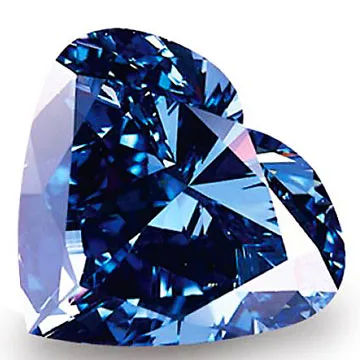


Aquamarine is beryl with the volume turned down. Not weak, not shy, just cool. The best stones have that clean blue-green calm that makes people lean in rather than squint.
Is Aquamarine Valuable?
Aquamarine can be valuable when it has attractive blue to slightly greenish blue color, good clarity, lively cutting, desirable size, and honest treatment disclosure. Pale material is common, so color strength matters more than the name alone.
The Sea In The Name
Aquamarine takes its name from seawater, and the comparison still works. Fine aquamarine should feel open and fresh, not inky. If sapphire is a deep evening sky, aquamarine is the morning after the rain.
Aquamarine Facts Worth Knowing
| Species | Aquamarine is a variety of beryl, the same mineral family as emerald and morganite. |
| Color | Iron is responsible for aquamarine’s blue to blue-green color. |
| Clarity | Aquamarine is often expected to be relatively clean to the eye compared with emerald. |
| Treatment | Heating is commonly used to reduce greenish tones and improve blue color. |
| Cut | Large, clean crystals allow cutters to make elegant step cuts and long shapes. |
What I Notice First
In hand, I look for whether the color still exists when the stone is not under heroic lighting. Pale aquamarine can be lovely, but it should not need a spotlight and a motivational speech.
Where Aquamarine Value Gets Fuzzy
- Do not compare aquamarine by carat weight alone; pale large stones can be less compelling than smaller livelier ones.
- Ask about heating when color is part of the value conversation.
- Watch overly deep cuts that save weight but lose face-up life.
Where To Go Next
Sources And Further Reading
- Aquamarine Description, Gemological Institute of America
- Aquamarine Quality Factors, Gemological Institute of America
- GIA Gem Encyclopedia, Gemological Institute of America
- GIA Gem Guides, Gemological Institute of America
- CIBJO Blue Books, The World Jewellery Confederation
If aquamarine is your kind of quiet blue, compare it alongside other beryl varieties and current colored stones.