
Alexandrite Gemstone description
Alexandrite photos for close comparison
Use these alexandrite visuals as person evidence, not decoration. Compare color, cut, visible inclusions, polish, setting context, and disclosure before you judge value.
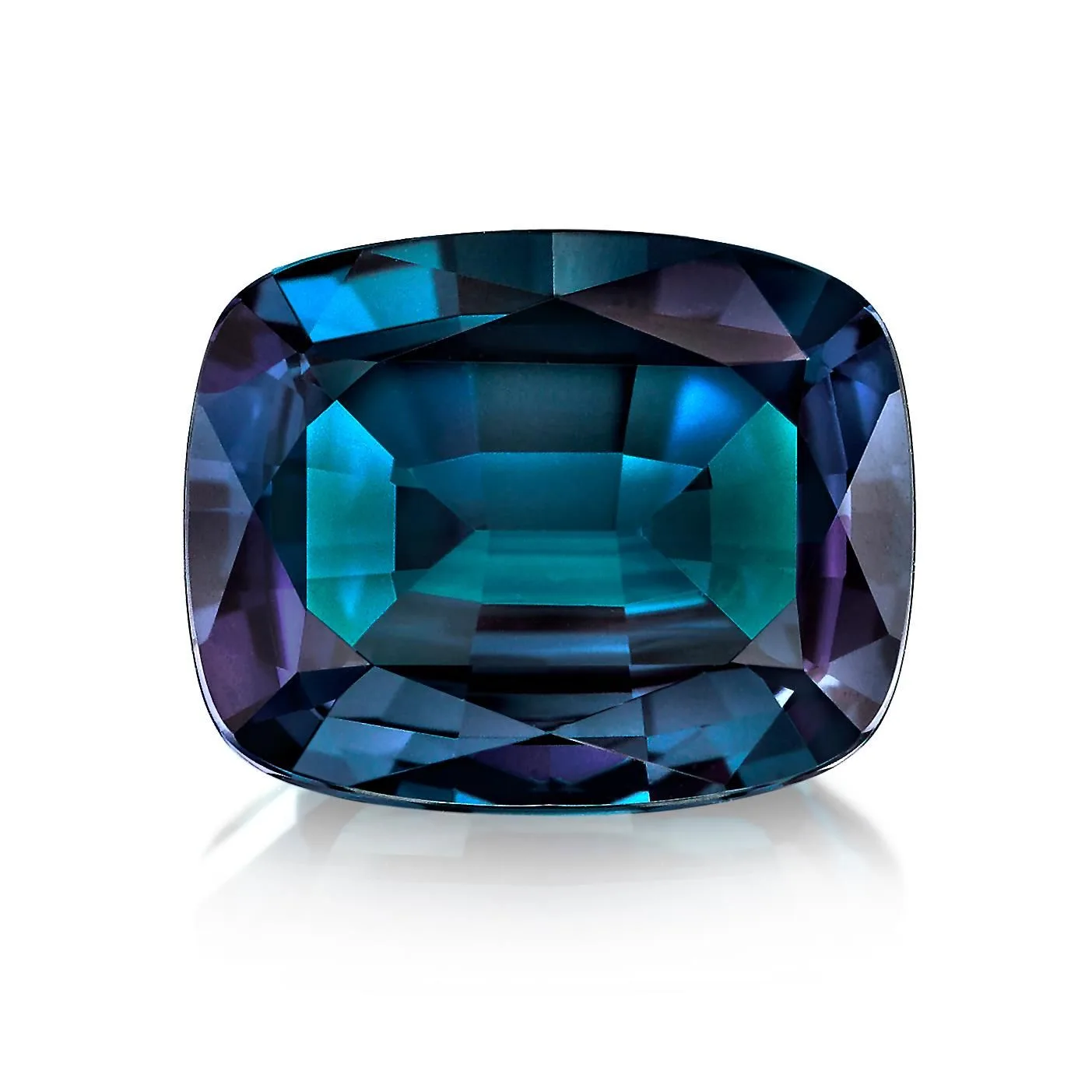
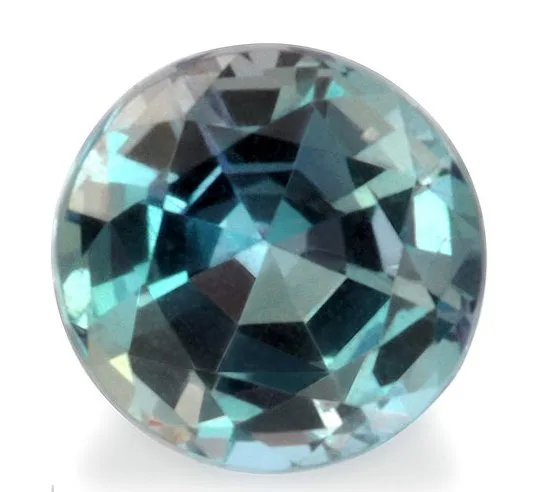
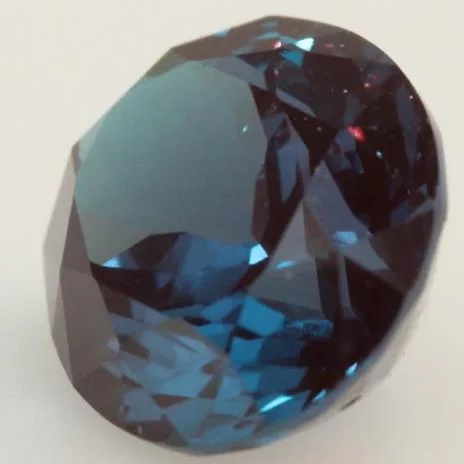
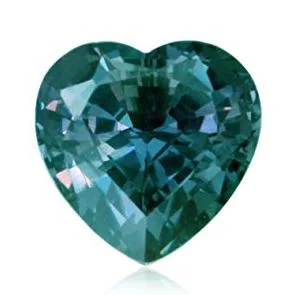
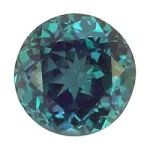
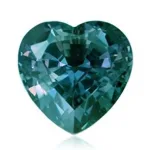
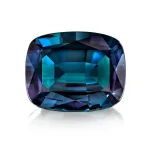
Alexandrite is a rare and highly prized gemstone known for its remarkable color-changing ability. It belongs to the chrysoberyl family and is famous for displaying different colors under varying lighting conditions—green in daylight and red under incandescent light. This unique optical phenomenon, known as the ‘alexandrite effect,’ makes it one of the most sought-after gemstones in the world.
- Color: Green to bluish-green in daylight, red to purplish-red under incandescent light.
- Origin: Originally discovered in the Ural Mountains of Russia, Alexandrite is now also found in Brazil, Sri Lanka, East Africa, and India.
Technical Specifications
| Chemical Composition | BeAl2O4 (Beryllium Aluminum Oxide) |
| Crystal System | Orthorhombic |
| Hardness (Mohs) | 8.5 |
| Refractive Index | 1.746 – 1.755 |
| Specific Gravity | 3.68 – 3.78 |
| Optical Properties | Birefringence: 0.008, Pleochroism: Strong (green, red, orange-yellow), Optical Character: Biaxial |
| Cleavage | Distinct in one direction |
| Fracture | Conchoidal to uneven |
| Luster | Vitreous |
| Transparency | Transparent to translucent |
| Fluorescence | Weak to moderate red under long-wave UV light |
Value and Price Factors
- Color Factors: The most valuable Alexandrite displays a strong color change from green to red. Stones with a vivid green in daylight and a rich red under incandescent light command the highest prices.
- Clarity Factors: Alexandrite is typically found with some inclusions, but eye-clean stones are rare and highly valuable. The fewer the inclusions, the higher the price.
- Cut Factors: Alexandrite is often cut into shapes that maximize its color-changing effect, such as oval, cushion, and round cuts. Precision cutting is essential to enhance the gemstone’s optical properties.
- Carat Weight: Alexandrite is rare in large sizes, and stones over one carat are considered especially valuable. The price per carat increases significantly with size.
- Market Price Range: Prices for Alexandrite can range from $5,000 to $15,000 per carat for high-quality stones, with exceptional specimens fetching even higher prices.
Care and Maintenance
- Cleaning: Alexandrite can be cleaned using warm soapy water and a soft brush. Avoid harsh chemicals and ultrasonic cleaners, as they may damage the stone.
- Storage: Store Alexandrite separately from other gemstones to prevent scratches. It is best kept in a soft pouch or a lined jewelry box.
- Handling: Handle Alexandrite with care to avoid chipping or scratching. Although it is relatively hard, it can still be damaged by rough handling or impact.
Popular Usages
- Jewelry Types: Rings, Earrings, Pendants, Bracelets
- Common Cuts: Oval, Cushion, Round, Emerald, Pear
- Other Usages: Alexandrite is also used in high-end watches and as a collector’s gemstone due to its rarity and unique optical properties.
Buying Guide
- Synthetic Identification: Synthetic Alexandrite is commonly produced in laboratories and can be identified by its lack of natural inclusions and a more pronounced color change. Always request certification from a reputable gemological lab when purchasing Alexandrite.
- Origin Identification: Natural Alexandrite from Russia is considered the most valuable, followed by stones from Brazil and Sri Lanka. The origin can sometimes be determined by the type of inclusions and the specific color change.
- Inclusions: Natural Alexandrite often contains needle-like inclusions, which can help distinguish it from synthetic versions. However, too many inclusions can reduce the stone’s value.
- Enhancements and Treatments: Alexandrite is rarely treated, but some stones may undergo heat treatment to enhance their color. Always inquire about any treatments before purchasing.
More Ways To Compare Alexandrite
- What makes Alexandrite so rare? Alexandrite is rare due to the specific geological conditions required for its formation, which involve the presence of both beryllium and chromium. This combination is uncommon, making high-quality Alexandrite stones extremely scarce.
- How can I tell if my Alexandrite is real? To verify the authenticity of Alexandrite, look for its characteristic color change under different lighting conditions. Additionally, seek certification from a reputable gemological lab to ensure the stone is natural and not synthetic.
Start With The Material
Alexandrite In Plain Gem Terms
Alexandrite is a color-change variety of chrysoberyl valued for its ability to show different colors under different lighting conditions.
Short answer for gem lovers
Alexandrite should be evaluated by exact identity, natural or treated status, visible appearance, durability, and suitability for the jewelry or collecting purpose. Do not rely on a gemstone name alone; clear disclosure and realistic photos matter more than broad trade language.
What Matters In The Material
- Alexandrite listings should clearly state the material or variety being offered.
- Color, transparency, pattern, cut, and polish can affect appearance and value differently depending on the gem type.
- Treatment, dyeing, stabilization, filling, coating, or imitation material should be disclosed when relevant.
- Hardness and toughness affect whether a gemstone is suitable for everyday rings, occasional-wear jewelry, pendants, earrings, or collecting.
- Gems Jewelry may not currently list Alexandrite for sale, so treat this as practical education before you compare available natural colored gemstones.
Practical Inspection Notes
- If a listing uses only a romantic trade name, ask for the exact gemstone identity.
- If the price depends on rarity, untreated status, origin, or a special variety name, ask what evidence supports that claim.
- If the gemstone will be used in a ring, check durability and setting protection before choosing it.
- If treatment status is unknown, compare the price as an unknown-treatment stone rather than assuming the most valuable condition.
| Buying factor | Why it matters | What to check |
|---|---|---|
| Identity | Names can be broad, old, or used differently in jewelry trade. | Confirm the gemstone, variety, or gem material. |
| Appearance | Color, pattern, transparency, and cut decide whether the stone looks good in real use. | Review clear photos and video where available. |
| Treatment | Treatment can affect value, care, and person expectations. | Look for plain disclosure such as heated, dyed, filled, stabilized, coated, or unknown. |
| Durability | Some gems are suitable for daily wear; others need protective settings or occasional wear. | Match the gemstone to the intended jewelry type. |
| Value | Price depends on quality, demand, size, documentation, and disclosure. | Compare similar stones instead of judging by name alone. |
What to check before buying Alexandrite
- Confirm the exact gemstone identity and variety name.
- Check whether the stone is natural, treated, synthetic, imitation, assembled, or unknown.
- Compare color and face-up appearance in normal lighting where possible.
- Look for visible inclusions, cracks, surface pits, coating, dye concentration, or unstable areas.
- Decide whether the gemstone is durable enough for the intended setting and wear frequency.
- Ask whether a lab report is useful for valuable, rare, or treatment-sensitive stones.