
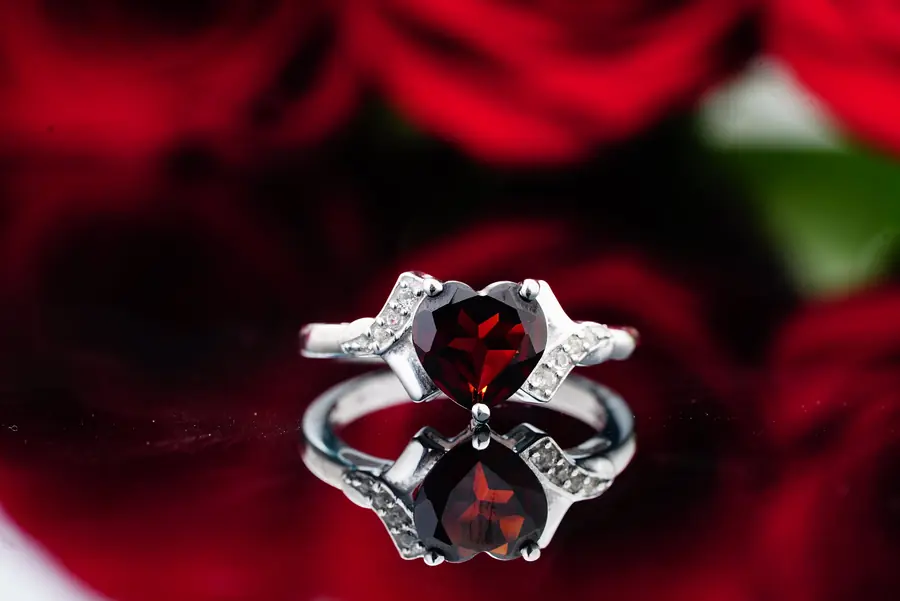
Garnet and ruby can both offer rich red beauty, but they are very different gemstones. Ruby is red corundum, famous for its hardness, rarity in fine quality, and long jewelry history. Garnet is a diverse gemstone group with many varieties, colors, and price levels.
When Is Garnet And Ruby A Practical Jewelry Choice?
Garnet And Ruby: Compare The Actual Stone
Garnet and ruby can both show attractive red color, but they are different gemstone materials with different value factors, durability expectations, and disclosure questions.
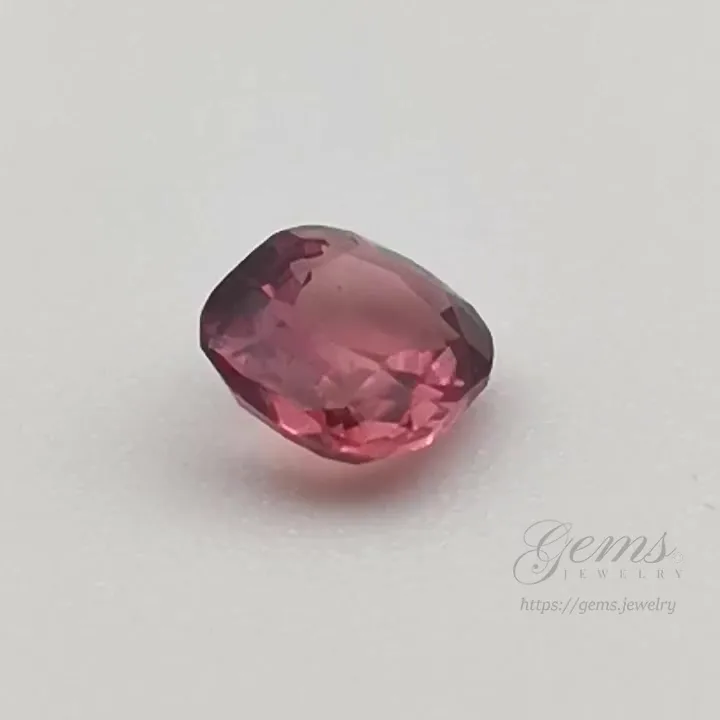
For a collector, the choice is not simply which stone is “better.” The better question is which stone fits your purpose, budget, durability needs, color preference, and expectations around treatment and documentation.
This guide compares garnet and ruby in practical terms for online gemstone people.
Ruby is a variety of corundum
Ruby is the red variety of the mineral corundum. Its red color is mainly associated with chromium. Fine ruby has been valued for centuries and is one of the most recognized colored gemstones in the world.
Ruby is closely related to sapphire. In simple terms, red corundum is ruby, while other colors of corundum are sapphire. This is why ruby and sapphire share excellent hardness and durability.
If you are comparing ruby with sapphire, the ruby guide and sapphire buying guide are useful companion pages.
Garnet is a gemstone group, not one single stone
Garnet is not just a single red gem. It is a group of related minerals that appear in many colors, including red, orange, green, purple, pink, brown, and color-change varieties. Common garnet names include pyrope, almandine, spessartine, grossular, tsavorite, demantoid, rhodolite, and others.
When people compare garnet to ruby, they are usually thinking of red garnet. But even red garnets can vary widely. Some are deep wine red. Some are purplish red. Some are brighter and more open. Some are dark enough that they appear nearly black in low light.
This variety makes garnet interesting, but it also means the exact garnet type matters.
Color comparison
Ruby is valued for red color, but the best ruby color is not just any red. people often look for strong saturation, attractive tone, and a lively face-up appearance. Some rubies lean purplish red or pinkish red. Others are darker or more brownish. Fine ruby color can be vivid and commanding.
Red garnet can also be beautiful, but its red often has a different character. Many garnets show deeper wine, burgundy, or purplish tones. Some garnets can look rich and elegant, while others appear dark if the cut or tone does not return enough light.
If you want a classic high-prestige red gemstone, ruby has the stronger market identity. If you want a warm, rich, often more accessible red gemstone with character, garnet can be an excellent choice.
Durability and everyday wear
Ruby has a Mohs hardness of 9, making it one of the most durable gemstones commonly used in jewelry. This is one reason ruby has long been favored for rings and heirloom pieces.
Garnet is generally softer, often around 6.5 to 7.5 on the Mohs scale depending on variety. Garnet can still be used in jewelry, but it needs more care, especially in rings worn daily. It is often well suited to earrings, pendants, occasional rings, and pieces where the stone is protected.
Durability is not only hardness. Toughness, inclusions, setting style, and wearer habits matter too. If the gemstone will be worn every day, ruby usually has the advantage.
Rarity and price
Fine ruby is rare, especially in larger sizes with strong color, good transparency, and limited treatment. This is why ruby can command high prices when quality is strong and documentation supports important claims.
Garnet is generally more accessible, but the garnet group includes rare and valuable varieties. Demantoid garnet, tsavorite garnet, fine color-change garnet, and exceptional spessartine can be highly desirable. Red garnet, however, is often much more affordable than comparable fine ruby.
Price should be judged by the specific stone, not the name alone. A low-quality ruby is not automatically a better purchase than a beautiful garnet. A rare garnet variety is not automatically inexpensive because it is garnet.
Treatment differences
Ruby is commonly treated, especially by heat. Heat treatment can improve color and clarity and is widely encountered in the trade. Some rubies may also be fracture-filled or treated in ways that require stronger caution. Treatment disclosure is essential.
Garnet is less commonly treated than ruby in many ordinary market situations, but people should still expect clear disclosure. As with any gemstone, the seller should identify what is known and avoid unsupported claims.
If treatment status is important to your purchase, review gemstone treatment disclosure before comparing ruby and garnet prices.
Which is better for an engagement ring?
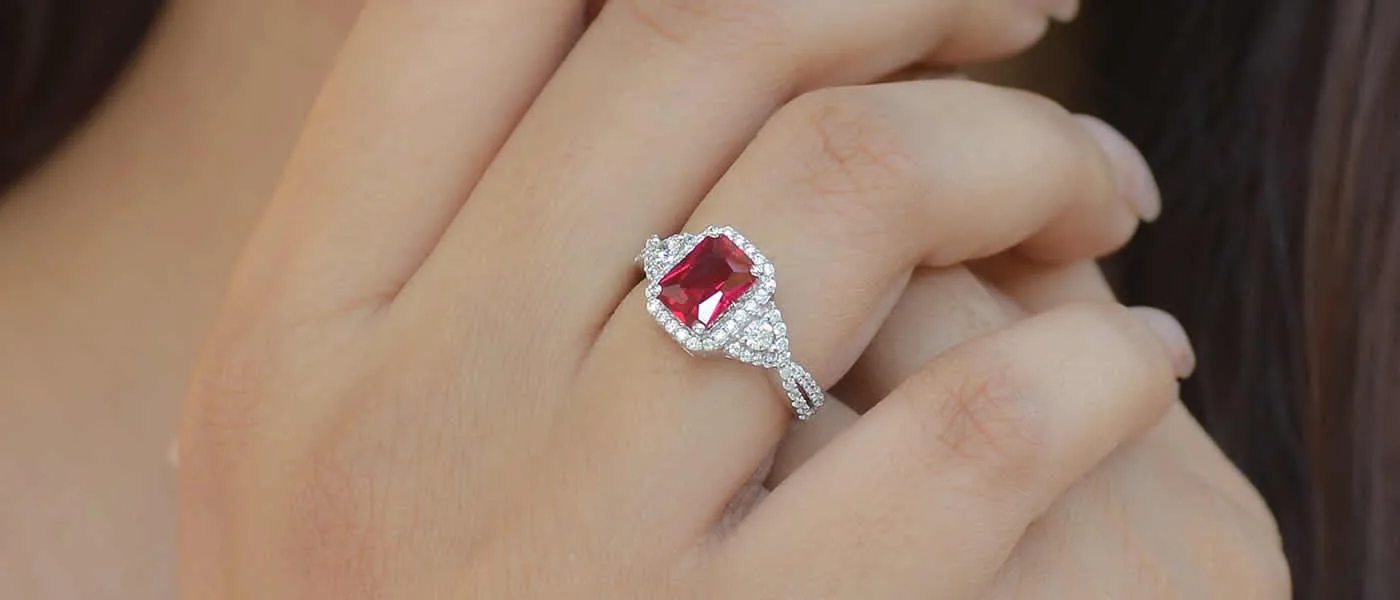
Ruby is generally the stronger choice for an engagement ring because of its hardness, durability, and long-term jewelry history. A well-chosen ruby can handle regular wear better than most garnets, especially in a protective setting.
Garnet can be used in rings, but it is better for occasional wear or for a person who accepts more care. If garnet is chosen for a ring, the setting should protect the stone, and the wearer should avoid rough activity, hard knocks, and harsh cleaning.
Which is better for color on a budget?
Garnet often offers excellent color for the money. A person who wants a rich red or purplish red gemstone without ruby-level pricing may find garnet very satisfying. It can be especially attractive in earrings, pendants, and cocktail rings.
Ruby remains the stronger choice when you wants the identity, prestige, durability, and tradition of ruby specifically. In that case, it is better to choose a smaller or more modest ruby with honest disclosure than to chase a large stone with unclear treatment or weak quality.
Practical checklist: garnet vs ruby
- Do you want ruby specifically, or do you want a beautiful red gemstone?
- Will the stone be worn daily or occasionally?
- Is durability a major requirement?
- Is treatment status clearly disclosed?
- Are the photos and video clear enough to judge tone and brightness?
- Does the price match the stone’s identity, quality, and documentation?
- Is the gemstone suitable for the intended jewelry design?
Ruby and garnet both deserve serious consideration, but they serve different people. Ruby is the classic durable red precious gemstone. Garnet is a varied and often more accessible family of stones with its own appeal. The right choice is the one whose facts, beauty, and use case match your purchase.