
Zoisite Gemstone Description
Zoisite image for close comparison
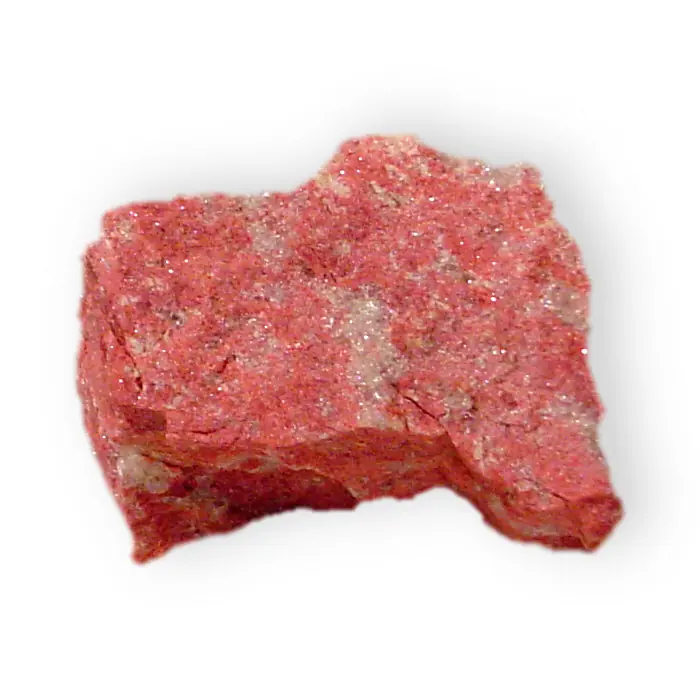
Zoisite is a rare and beautiful gemstone that has been prized for centuries for its unique properties and stunning appearance. This gemstone is a type of silicate mineral, specifically a calcium aluminum silicate, with the chemical formula Ca2AlSi3O10(OH)2.
Color
Zoisite is known for its vibrant colors, which can range from pale blue to deep green, with some specimens displaying a range of colors including pink, yellow, and orange. The most valuable and sought-after colors are those with a blue or green hue.
Origin
Zoisite is found in limited quantities around the world, with the majority coming from Brazil, Madagascar, and the United States. The gemstone is often associated with other minerals, such as quartz and feldspar, and can be found in a variety of geological settings, including pegmatites and hydrothermal veins.
Technical Specifications
| Property | Description |
|---|---|
| Chemical Composition | Ca2AlSi3O10(OH)2 |
| Crystal System | Monoclinic |
| Hardness (Mohs) | 6.5-7.0 |
| Refractive Index | 1.65-1.70 |
| Specific Gravity | 3.2-3.4 |
| Optical Properties | Birefringence: 0.03-0.04, Pleochroism: Green, Orange, Yellow |
| Cleavage | Perfect in one direction |
| Fracture | Conchoidal |
| Luster | Vitreous |
| Transparency | Transparent to translucent |
| Fluorescence | None |
Value and Price Factors
The value and price of zoisite can vary greatly depending on a range of factors, including:
- Color: The most valuable and sought-after colors are those with a blue or green hue.
- Clarity: Zoisite with inclusions or imperfections is generally less valuable than those with a high clarity grade.
- Cut: The cut of the gemstone can greatly affect its value, with well-cut stones being more valuable than those with a poor cut.
- Carat Weight: Larger stones are generally more valuable than smaller ones.
The market price range for zoisite can vary depending on the specific characteristics of the stone, but generally ranges from $50 to $500 per carat.
Care and Maintenance
To keep your zoisite gemstone looking its best, follow these care and maintenance tips:
- Cleaning: Zoisite can be cleaned with a mild soap and water solution, but avoid using harsh chemicals or abrasive materials.
- Storage: Store your zoisite gemstone in a cool, dry place, away from direct sunlight.
- Handling: Handle your zoisite gemstone with care, avoiding drops or other forms of impact.
Popular Usages
Zoisite is a popular gemstone for a range of jewelry types, including:
- Pendants
- Earrings
- Rings
- Necklaces
The gemstone is often cut into a range of shapes, including:
- Oval
- Round
- Emerald cut
- Cushion cut
Buying Guide
To identify synthetic zoisite, look for the following characteristics:
- Inclusions: Synthetic zoisite often has inclusions or imperfections that are not present in natural stones.
- Fluorescence: Synthetic zoisite may exhibit a range of fluorescence colors, including green, orange, and yellow.
- Hardness: Synthetic zoisite is often harder than natural zoisite, with a higher hardness rating on the Mohs scale.
To identify the origin of your zoisite gemstone, look for the following characteristics:
- Color: Zoisite from different regions can have distinct color characteristics.
- Inclusions: Natural zoisite often has inclusions or imperfections that are not present in synthetic stones.
- Fluorescence: Natural zoisite may exhibit a range of fluorescence colors, including green, orange, and yellow.
More Ways To Compare Zoisite
Q: What is the hardness of zoisite on the Mohs scale?
A: Zoisite has a hardness of 6.5-7.0 on the Mohs scale.
Q: Is zoisite a rare gemstone?
A: Yes, zoisite is a relatively rare gemstone, with limited quantities found around the world.
Q: Can zoisite be treated or enhanced?
A: Yes, zoisite can be treated or enhanced to improve its color or clarity. However, this should be done with caution, as excessive treatment can affect the gemstone’s value.
Start With The Material
Zoisite In Plain Gem Terms
Zoisite is a gemstone mineral family that includes tanzanite and other color varieties.
Short answer for gem lovers
Zoisite should be evaluated by exact identity, natural or treated status, visible appearance, durability, and suitability for the jewelry or collecting purpose. Do not rely on a gemstone name alone; clear disclosure and realistic photos matter more than broad trade language.
What Matters In The Material
- Zoisite listings should clearly state the material or variety being offered.
- Color, transparency, pattern, cut, and polish can affect appearance and value differently depending on the gem type.
- Treatment, dyeing, stabilization, filling, coating, or imitation material should be disclosed when relevant.
- Hardness and toughness affect whether a gemstone is suitable for everyday rings, occasional-wear jewelry, pendants, earrings, or collecting.
- Gems Jewelry may not currently list Zoisite for sale, so treat this as practical education before you compare available natural colored gemstones.
Practical Inspection Notes
- If a listing uses only a romantic trade name, ask for the exact gemstone identity.
- If the price depends on rarity, untreated status, origin, or a special variety name, ask what evidence supports that claim.
- If the gemstone will be used in a ring, check durability and setting protection before choosing it.
- If treatment status is unknown, compare the price as an unknown-treatment stone rather than assuming the most valuable condition.
| Buying factor | Why it matters | What to check |
|---|---|---|
| Identity | Names can be broad, old, or used differently in jewelry trade. | Confirm the gemstone, variety, or gem material. |
| Appearance | Color, pattern, transparency, and cut decide whether the stone looks good in real use. | Review clear photos and video where available. |
| Treatment | Treatment can affect value, care, and person expectations. | Look for plain disclosure such as heated, dyed, filled, stabilized, coated, or unknown. |
| Durability | Some gems are suitable for daily wear; others need protective settings or occasional wear. | Match the gemstone to the intended jewelry type. |
| Value | Price depends on quality, demand, size, documentation, and disclosure. | Compare similar stones instead of judging by name alone. |
What to check before buying Zoisite
- Confirm the exact gemstone identity and variety name.
- Check whether the stone is natural, treated, synthetic, imitation, assembled, or unknown.
- Compare color and face-up appearance in normal lighting where possible.
- Look for visible inclusions, cracks, surface pits, coating, dye concentration, or unstable areas.
- Decide whether the gemstone is durable enough for the intended setting and wear frequency.
- Ask whether a lab report is useful for valuable, rare, or treatment-sensitive stones.