
Amber
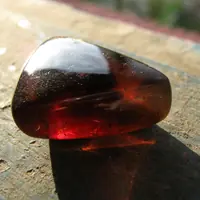
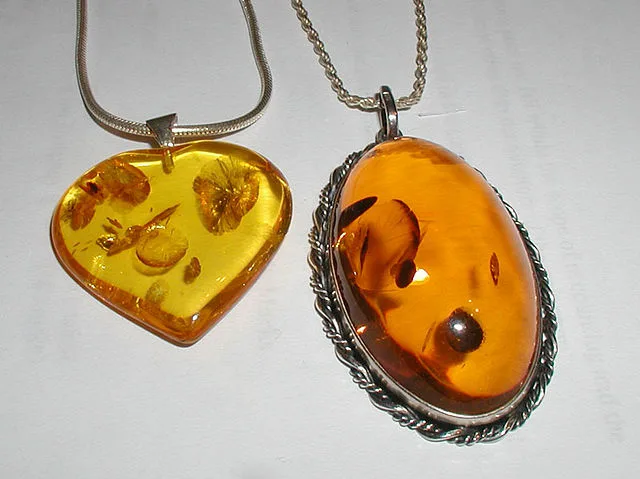
Amber gemstone photos for close comparison
Use these amber gemstone buying guide visuals as person evidence, not decoration. Compare color, cut, visible inclusions, polish, setting context, and disclosure before you judge value.
Share This Amber Gem Card
Editors and writers can use this compact card when they need a quick, sourced gem reference. It includes the practical facts that keep a stone from becoming just a pretty name.
Please keep the attribution link with the card so readers can check the full guide.
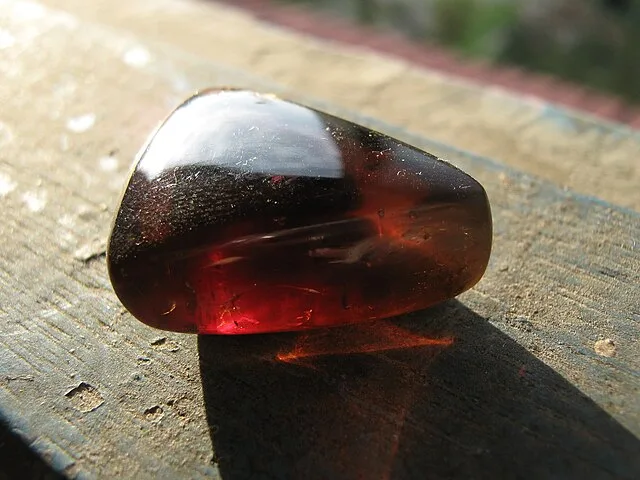
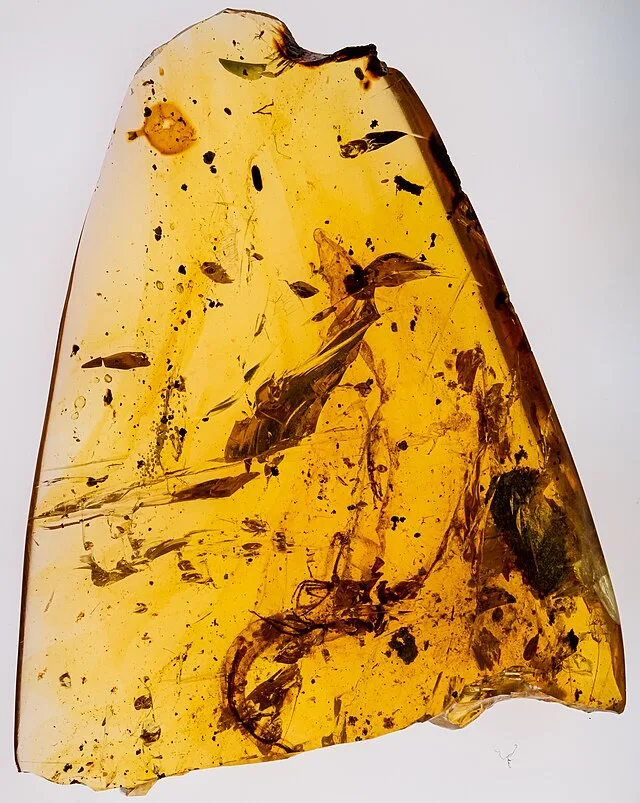
Amber is not a mineral gemstone in the usual sense. It is fossilized tree resin, valued for warmth, organic beauty, natural inclusions, and a history that can reach back millions of years.
This page is kept as part of the Gems Jewelry education archive because amber has earned a good external reference link and because it answers a real human question: how do you understand an organic gem material that is beautiful, widely imitated, often treated, and very different from faceted sapphire or ruby?
Gems Jewelry currently focuses mainly on natural faceted colored gemstones such as sapphires and rubies. Amber is different. It is softer, organic, and usually selected for color, clarity, inclusions, carving, beads, cabochons, or jewelry design rather than brilliance from faceting. That makes gemstone education especially important.
What is amber?
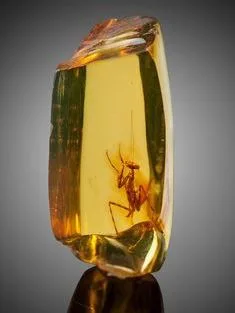
Amber is fossilized resin from ancient trees. Over long periods of time, resin can harden, stabilize, and become the warm organic material used in jewelry and collecting. Because it began as resin, amber can sometimes preserve air bubbles, plant fragments, insects, or other inclusions.
That origin is part of amber’s appeal. A sapphire attracts with crystal structure, color, and light return. Amber attracts with warmth, softness, history, and the feeling of holding something that once flowed through an ancient forest.
Why amber people need to be careful
Amber is widely imitated and treated. people may encounter natural amber, pressed amber, reconstructed amber, copal, plastic, glass, dyed material, heated material, and pieces with suspicious inclusions. Some pieces are sold honestly. Others are described in ways that make comparison difficult.
The risk is not only paying too much. The risk is buying the wrong thing for your purpose. A collector seeking natural amber with a genuine inclusion has different needs from someone buying a warm amber pendant for everyday style.
Amber quick facts
- Material type: organic fossilized resin, not a mineral crystal.
- Typical colors: honey yellow, golden orange, cognac, reddish brown, dark brown, and sometimes modified colors.
- Hardness: much softer than sapphire or ruby, so it needs gentler wear and care.
- Common forms: beads, cabochons, carvings, pendants, inlay, and collector specimens.
- person concern: imitations, pressed material, treatments, and questionable inclusions.
Color and appearance
Amber is loved for warm color. Honey, golden, orange, cognac, and reddish brown are common descriptive families. Some people prefer transparent amber where inclusions and depth are visible. Others prefer cloudy, butterscotch, or opaque material for its softer visual effect.
Color alone should not decide the purchase. Ask whether the color is natural, heated, clarified, dyed, backed, or otherwise altered. Amber can be visually beautiful and still require careful disclosure.
Inclusions: fascinating, but not automatically valuable
Inclusions are one of amber’s most famous attractions. A piece may contain plant fragments, air bubbles, insects, or other preserved material. But inclusion claims should be approached carefully. Dramatic inclusions can increase interest, but they also increase the need for confidence.
If you are buying amber because of an inclusion, ask for clear photographs, provenance if available, and expert confirmation for valuable pieces. A spectacular inclusion in a suspiciously cheap piece should make someone slow down, not speed up.
Natural amber, pressed amber, copal, and imitations
One of the most important amber buying questions is whether the material is natural amber or something else. Pressed or reconstructed amber can be made from smaller amber pieces. Copal is younger resin and should not be sold as ancient amber. Plastic and glass imitations also exist.
The right material depends on your purpose, but the description should be honest. A fashion person may simply want attractive amber-colored jewelry. A collector needs more exact identification.
Amber care
Amber is softer and more sensitive than many mineral gemstones. It should be protected from harsh chemicals, strong heat, ultrasonic cleaners, steam cleaning, and rough wear. Wipe it gently with a soft cloth and store it away from harder gemstones that may scratch it.
This is one reason amber should not be judged like sapphire. Sapphire is highly durable. Amber is organic, warmer, softer, and more delicate. It offers a different kind of beauty.
Questions to ask before buying amber
- Is this natural amber, pressed amber, copal, or an imitation?
- Has the color or clarity been enhanced?
- If there is an inclusion, is there evidence that it is genuine?
- Is the piece suitable for the way I plan to wear it?
- Does the price match the material, size, inclusion quality, and craftsmanship?
How amber fits into the Gems Jewelry archive
Amber is not the main commercial focus of gems.jewelry. Our current collection is centered mainly on natural faceted colored gemstones such as sapphires and rubies. Still, amber remains an important educational page because it teaches a broader gemstone lesson: beautiful materials need accurate descriptions.
If you are researching natural gemstones generally, continue with the Natural Gemstone Buying Guide. If you want to understand treatment and enhancement language, read the Gemstone Treatment Disclosure Guide. If you are ready to browse current stones, visit the Gemstone Collections.
person takeaway
Buy amber for its warmth, organic character, and history. But buy it with clear eyes. The words natural, pressed, copal, imitation, inclusion, treated, and dyed all matter. A trustworthy amber page should make those distinctions easier, not hide them.
Start With The Material
Amber In Plain Gem Terms
Amber is an organic gem material formed from fossilized tree resin, valued for warm color, light weight, and sometimes natural inclusions.
Short answer for gem lovers
Amber should be evaluated by exact identity, natural or treated status, visible appearance, durability, and suitability for the jewelry or collecting purpose. Do not rely on a gemstone name alone; clear disclosure and realistic photos matter more than broad trade language.
What Matters In The Material
- Amber listings should clearly state the material or variety being offered.
- Color, transparency, pattern, cut, and polish can affect appearance and value differently depending on the gem type.
- Treatment, dyeing, stabilization, filling, coating, or imitation material should be disclosed when relevant.
- Hardness and toughness affect whether a gemstone is suitable for everyday rings, occasional-wear jewelry, pendants, earrings, or collecting.
- Gems Jewelry may not currently list Amber for sale, so treat this as practical education before you compare available natural colored gemstones.
Practical Inspection Notes
- If a listing uses only a romantic trade name, ask for the exact gemstone identity.
- If the price depends on rarity, untreated status, origin, or a special variety name, ask what evidence supports that claim.
- If the gemstone will be used in a ring, check durability and setting protection before choosing it.
- If treatment status is unknown, compare the price as an unknown-treatment stone rather than assuming the most valuable condition.
| Buying factor | Why it matters | What to check |
|---|---|---|
| Identity | Names can be broad, old, or used differently in jewelry trade. | Confirm the gemstone, variety, or gem material. |
| Appearance | Color, pattern, transparency, and cut decide whether the stone looks good in real use. | Review clear photos and video where available. |
| Treatment | Treatment can affect value, care, and person expectations. | Look for plain disclosure such as heated, dyed, filled, stabilized, coated, or unknown. |
| Durability | Some gems are suitable for daily wear; others need protective settings or occasional wear. | Match the gemstone to the intended jewelry type. |
| Value | Price depends on quality, demand, size, documentation, and disclosure. | Compare similar stones instead of judging by name alone. |
What to check before buying Amber
- Confirm the exact gemstone identity and variety name.
- Check whether the stone is natural, treated, synthetic, imitation, assembled, or unknown.
- Compare color and face-up appearance in normal lighting where possible.
- Look for visible inclusions, cracks, surface pits, coating, dye concentration, or unstable areas.
- Decide whether the gemstone is durable enough for the intended setting and wear frequency.
- Ask whether a lab report is useful for valuable, rare, or treatment-sensitive stones.